Sultans and Tarsiers — Ternate → Bitung · 11 days
Ternate → Bitung · 11 days
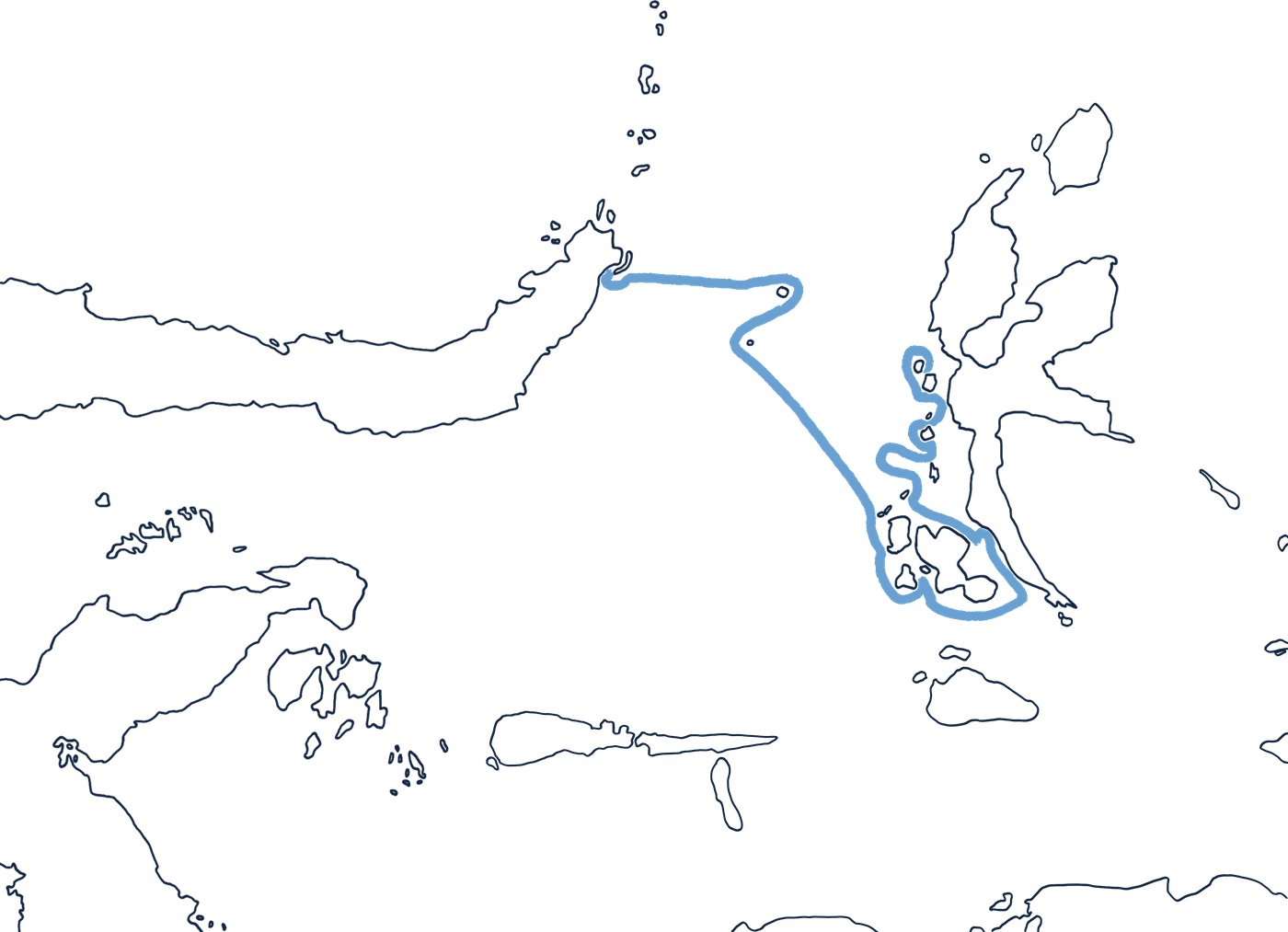
Eleven days between two very different ends of Indonesia: the volcanic sultanates of Ternate and Tidore on one side, and Lembeh’s black-sand macro diving on the other. Most of the journey follows Halmahera, a coastline still barely represented on dive maps, before crossing the Molucca Sea by way of Tifore and Mayu.

Sultans and Tarsiers
11 days
Ternate → Bitung
When
Late March 2029
The route
Ternate · Tidore · Halmahera · Bacan · Guraici · Makian · Tifore · Mayu · Lembeh · Bitung
The diving
Reef exploring · Walls · Hard coral · Black sand · Barracuda · Bigeye trevally · Macro · Night diving

Ternate & Tidore
The islands that changed
the price of spice
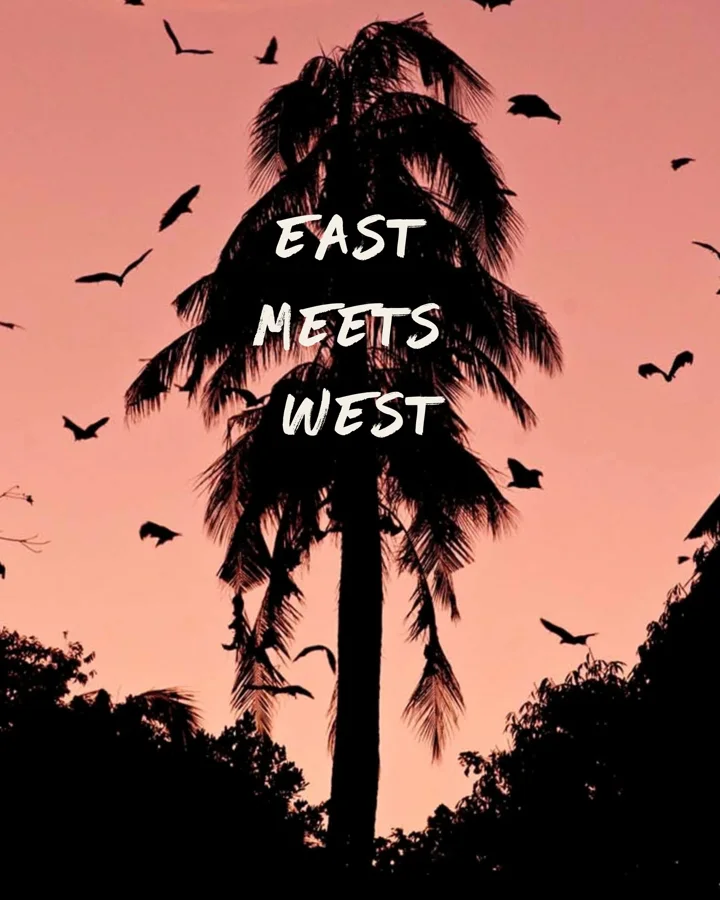
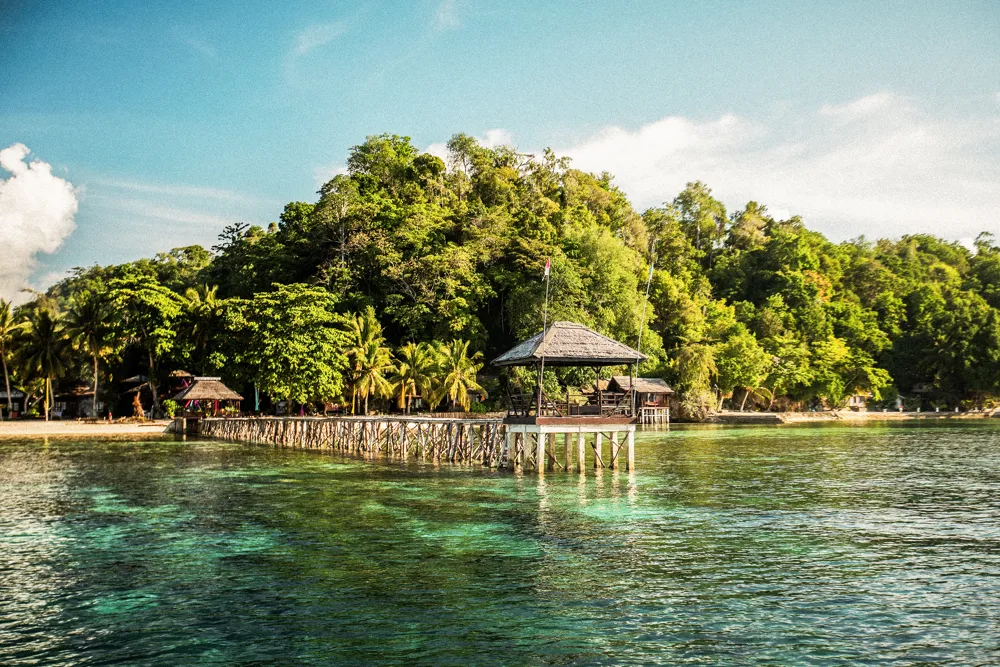
Ternate and Tidore sit side by side, two volcanic islands that once controlled the world’s supply of cloves.
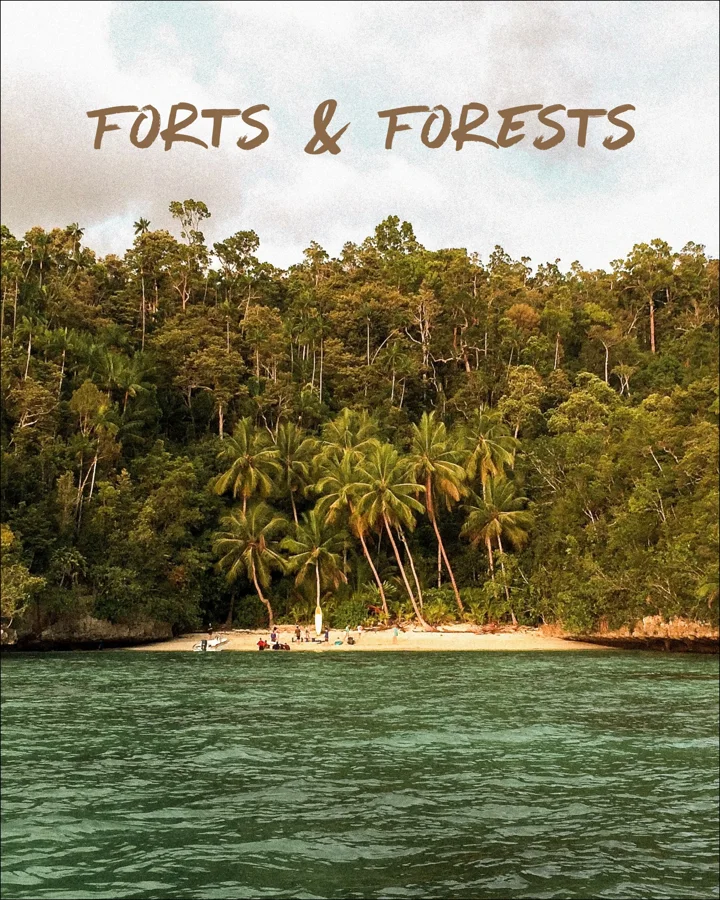
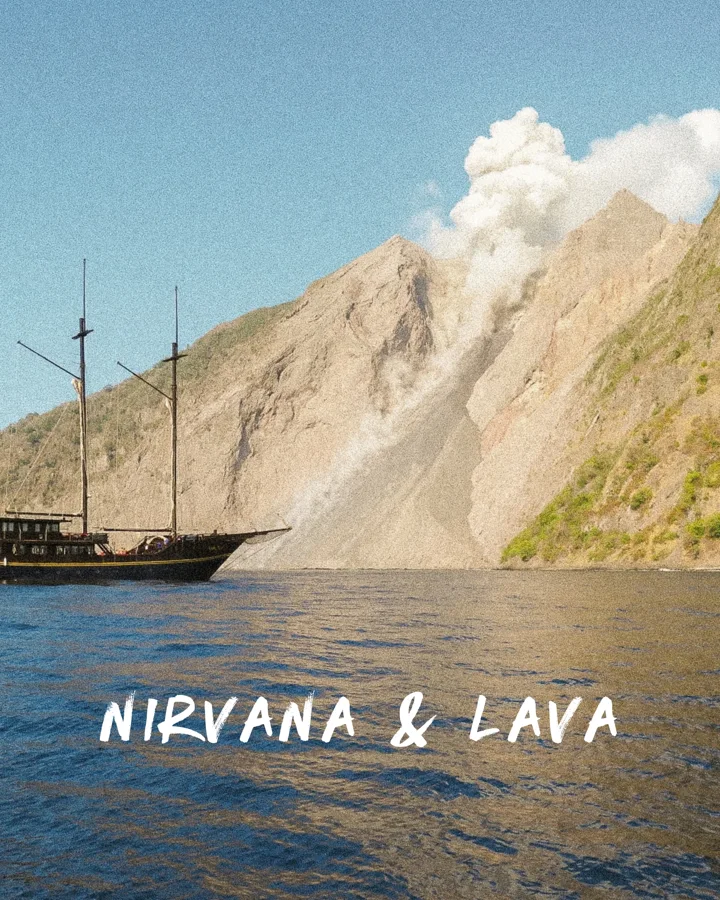
Their sultanates still exist, their palaces are still inhabited, and the old European forts remain part of everyday life. Above Ternate, the volcano is active and clove trees still grow on its slopes.
Halmahera
Beyond the dive map
Halmahera takes up the largest part of the journey. Long stretches of its coastline still have no established dive sites, descriptions or photographs.
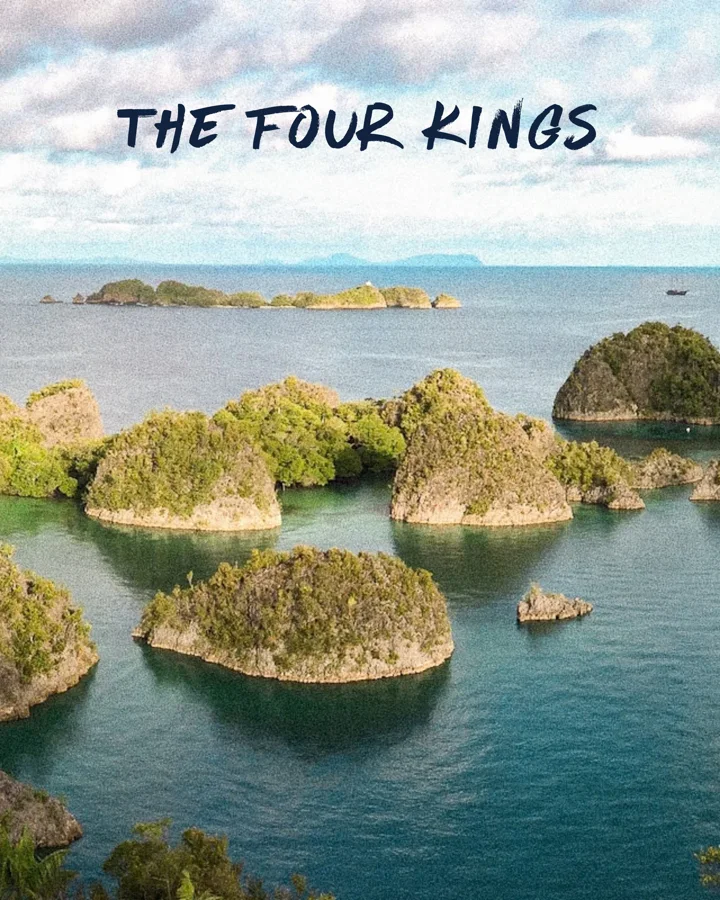
The underwater landscape is volcanic: black walls, hard-coral ridges and dark-sand channels. The Patinti Strait funnels current and fish between Halmahera and Bacan, while Bacan, Guraici and Kusu see very little dive traffic.
Exploration is built into the itinerary. When conditions allow, we put the tender in and look at sections of coast that may never have been properly dived before.
Makian
A volcano in the blue
Further north, Makian rises from the sea as a single volcanic cone, with reef wrapped around its base.
It is one of the places where the geography above water and the diving below feel like part of the same thing.
Tifore
Alone in the blue
Then comes the Molucca Sea.
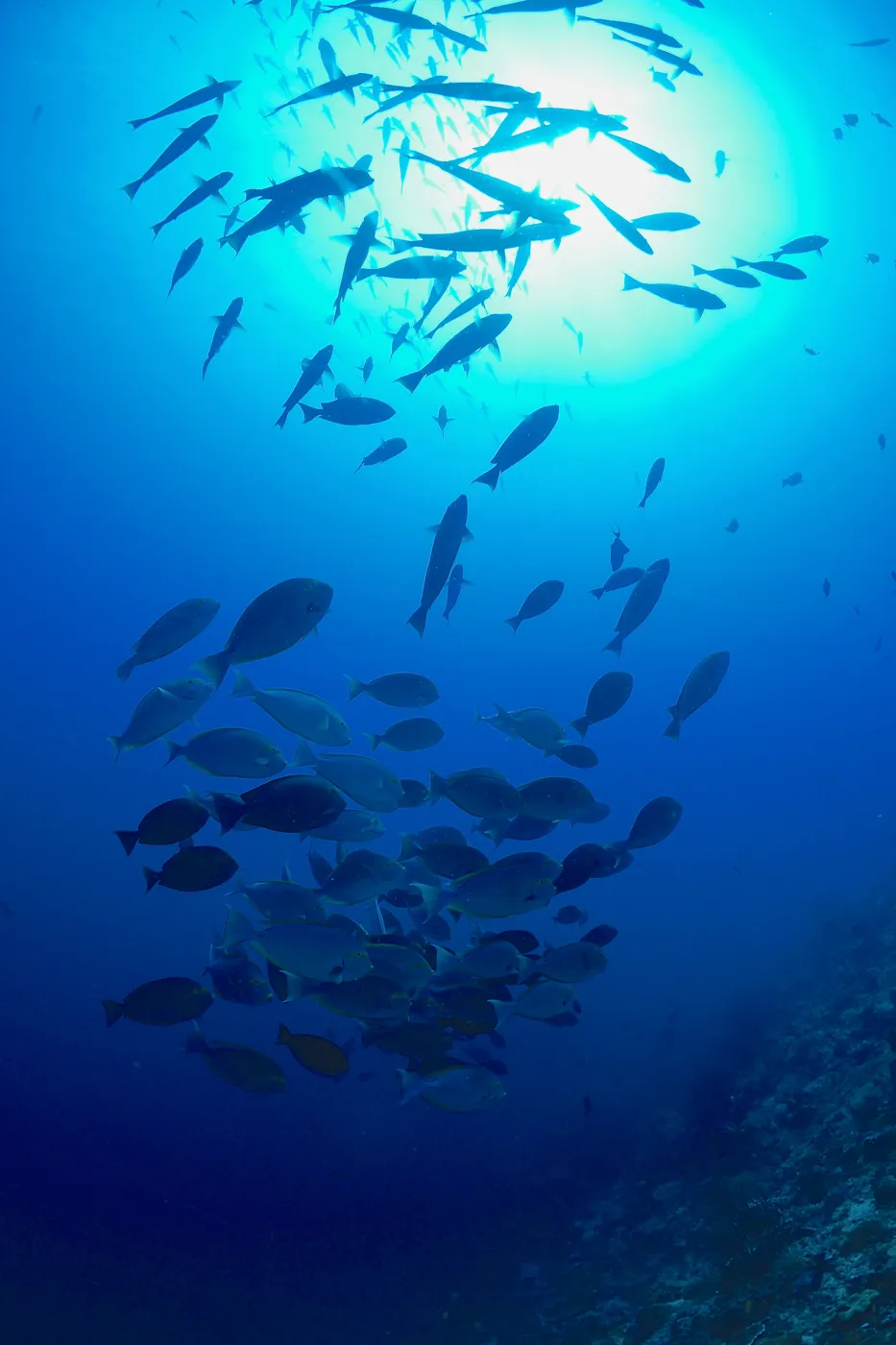
Tifore sits almost alone in open water, its reef acting as the only structure for miles. Barracuda hang in curtains off the corner, bigeye trevally gather in dense schools, and predators arrive from the blue without warning.
Mayu
Further into the Molucca Sea
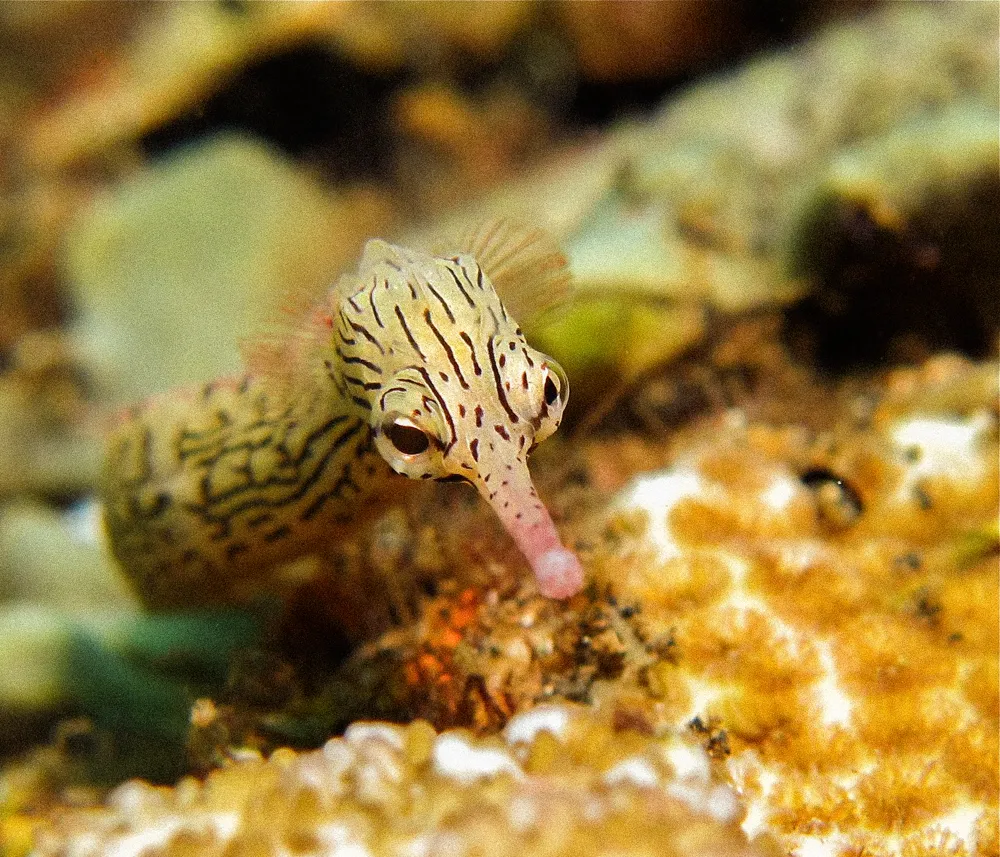
Further along the crossing, Mayu offers the same sense of isolation when conditions allow.
These are not stopover dives. For many, they become some of the dives of the trip.
Lembeh
Where the strange things live
At the Sulawesi end is Lembeh, one of the names macro divers already know.
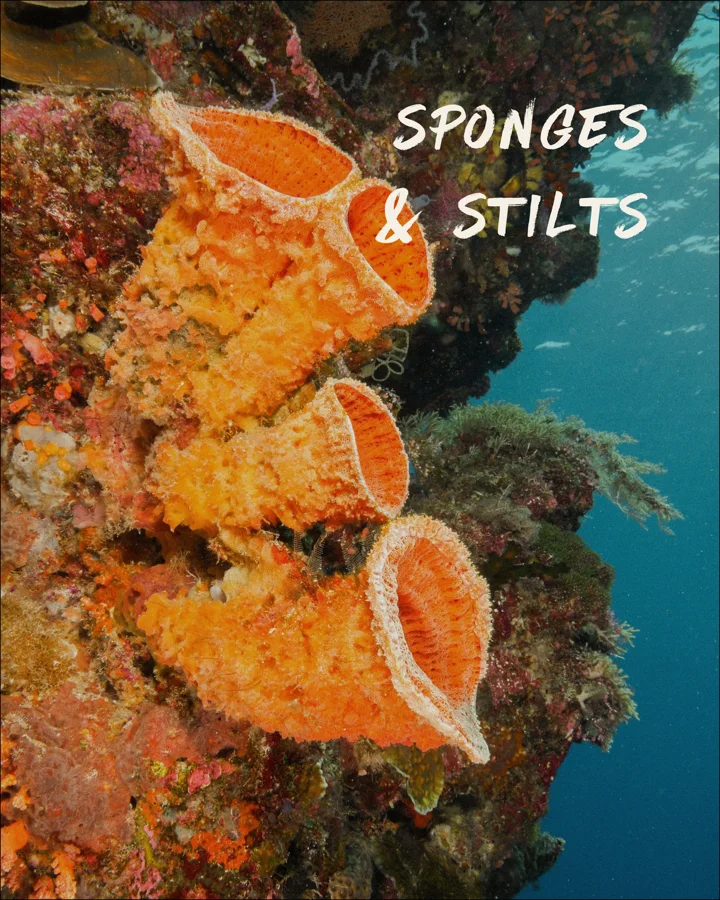
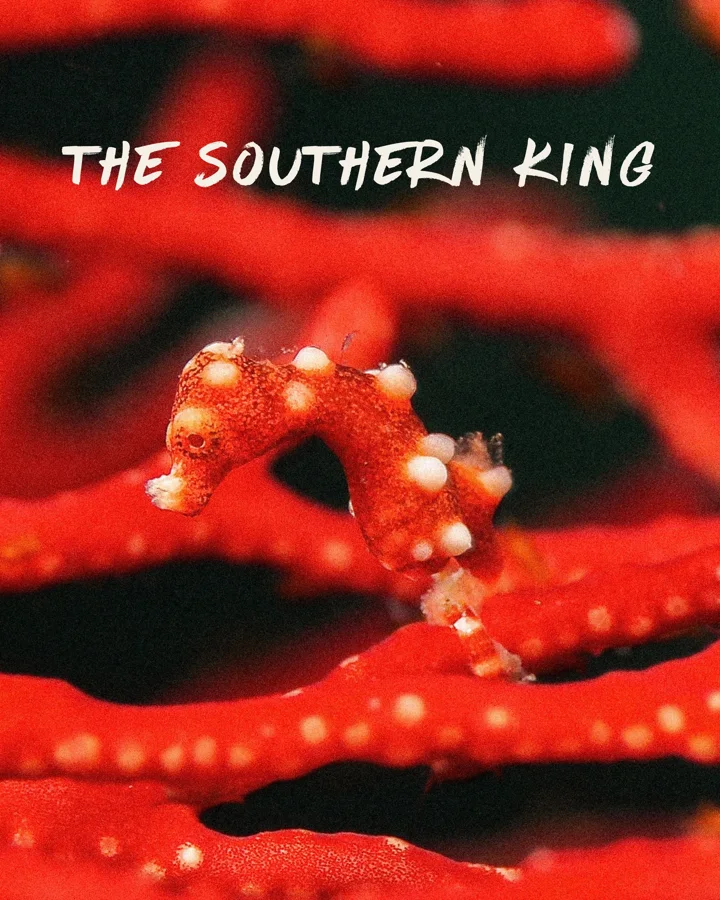
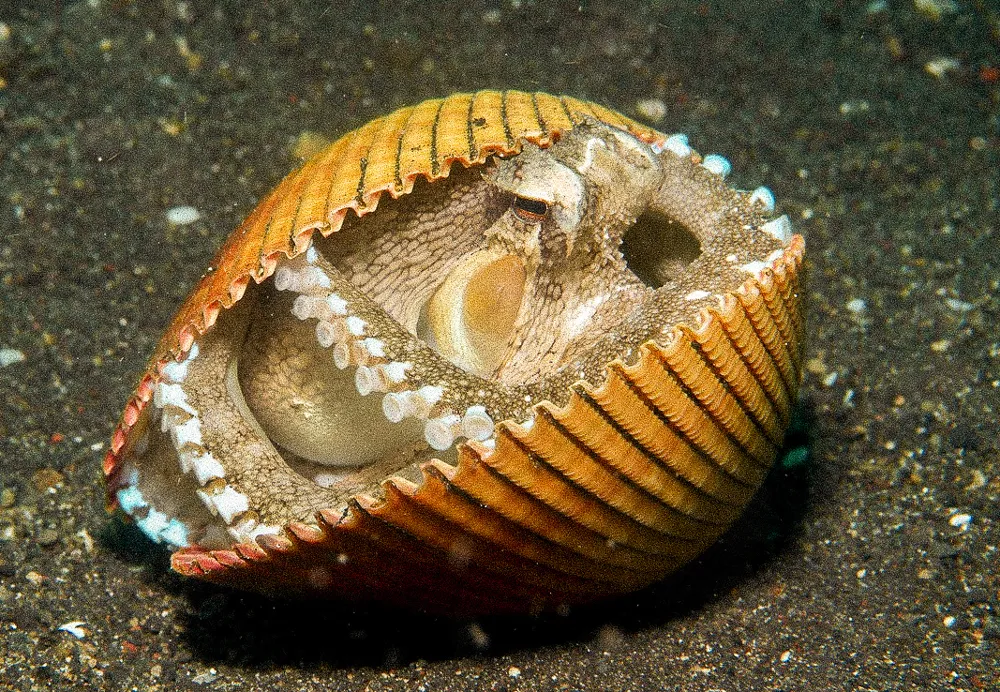
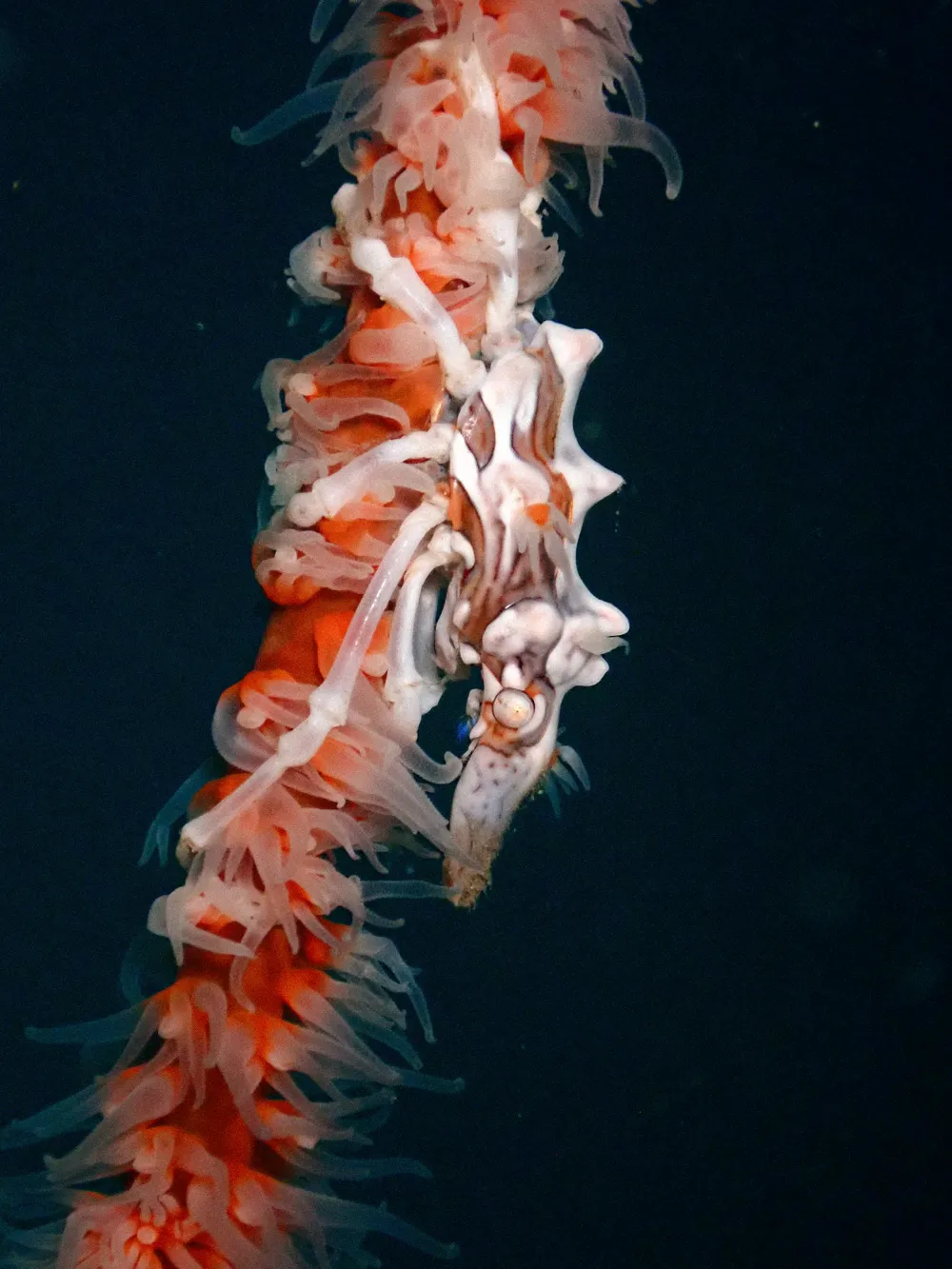
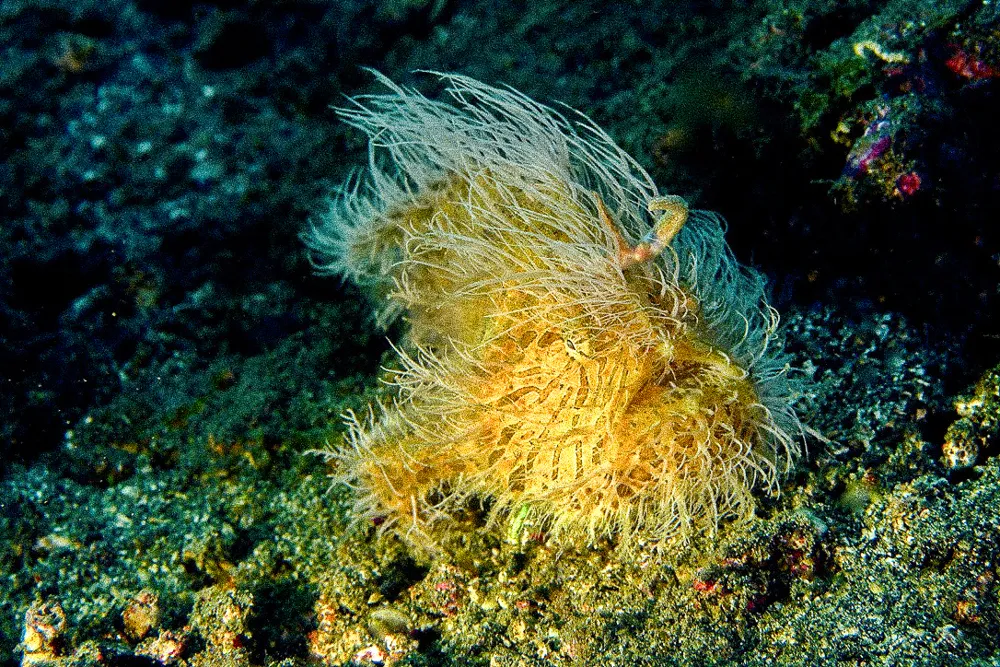
Black sand and rubble hide mimic octopus, hairy frogfish, flamboyant cuttlefish, blue-ringed octopus, wonderpus, Bobbit worms and seahorses. The diving is slow, shallow and usually calm, with even more happening after dark.
All is not pretty in the conventional sense. That is precisely the point.
Tangkoko
Eyes in the dusk
From the anchorage, Tangkoko is about an hour away.
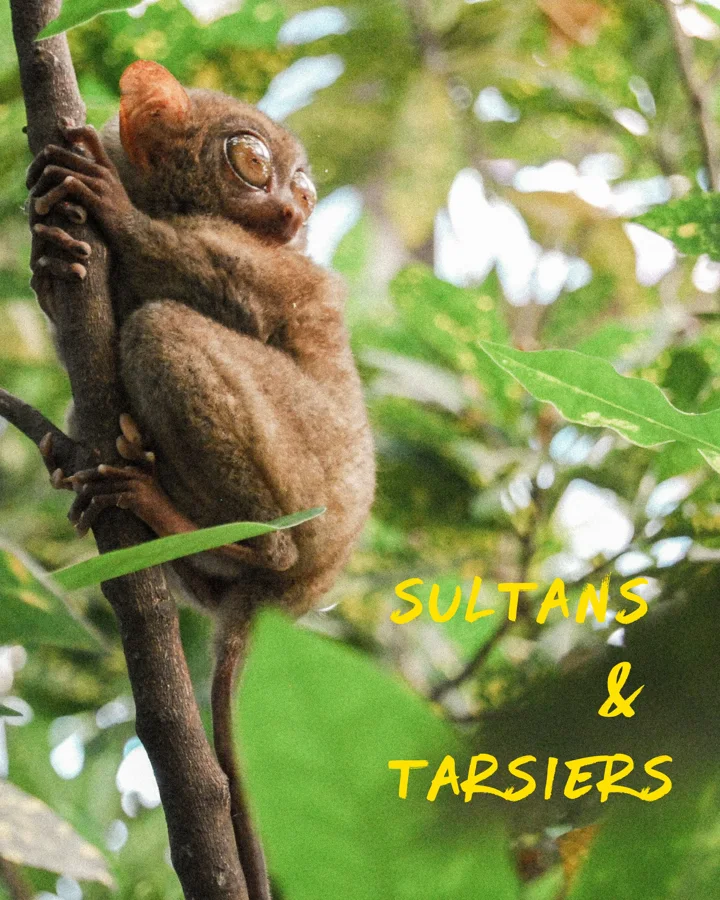
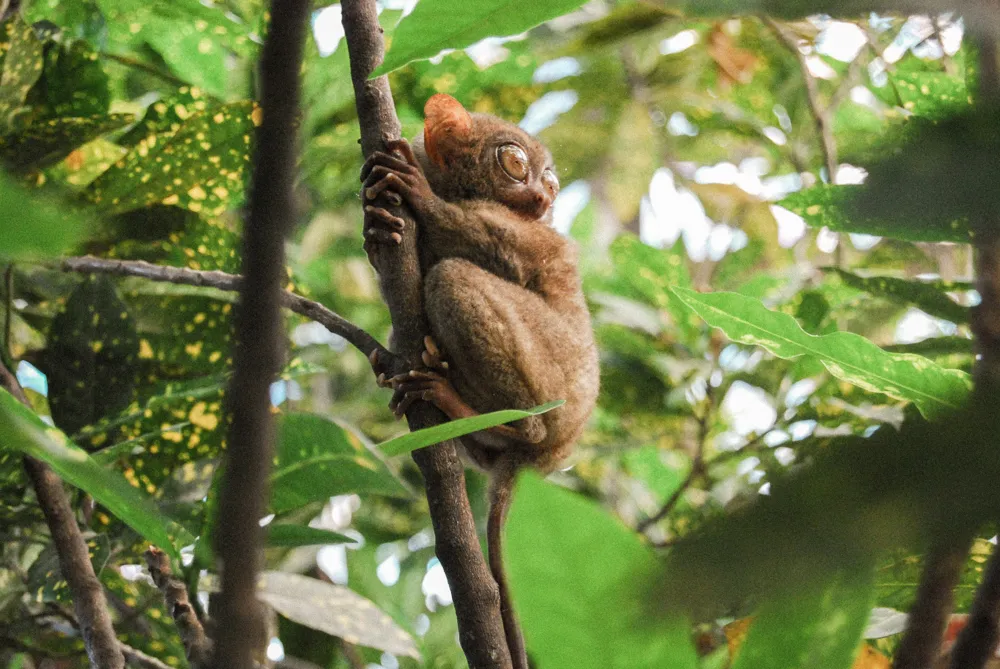
Black crested macaques move through the forest with little interest in people, while spectral tarsiers emerge from their fig trees at dusk. Hornbills and cuscus share the same forest. A very different end to a journey that began with volcanoes, forts and cloves.