Tale of Two Papuas — Kaimana → Sorong · 12 days
Kaimana → Sorong · 12 days
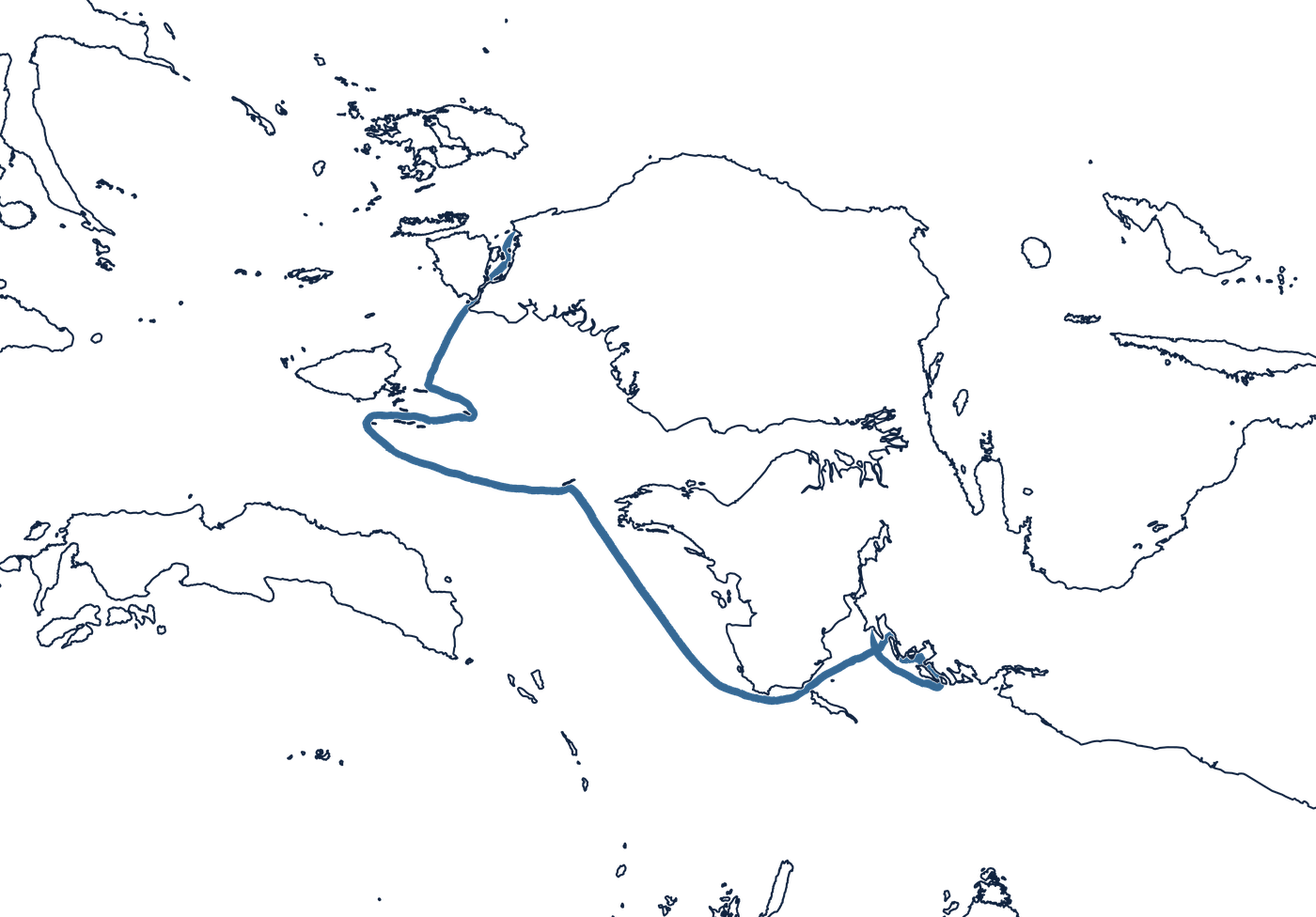
Two of Indonesia’s great reef systems sit at either end of this crossing: Triton Bay and Misool.
Between them lies a rarely dived stretch of coast where the exact route changes with weather, tide and time. Depending on conditions, that may mean waterfalls, remote reefs, exploratory dives or places most boats simply pass by.

Tale of Two Papuas
12 days
Kaimana → Sorong
When
Late November → early December 2028
The route
Kaimana · Triton Bay · Papuan Coast · Kitikiti · Tanjung Papisoi · Fakfak · Koon · Misool · Sorong
The diving
Soft coral · Wobbegongs · Walking sharks · Mobulas · Mantas · Seamounts · Walls · Silversides
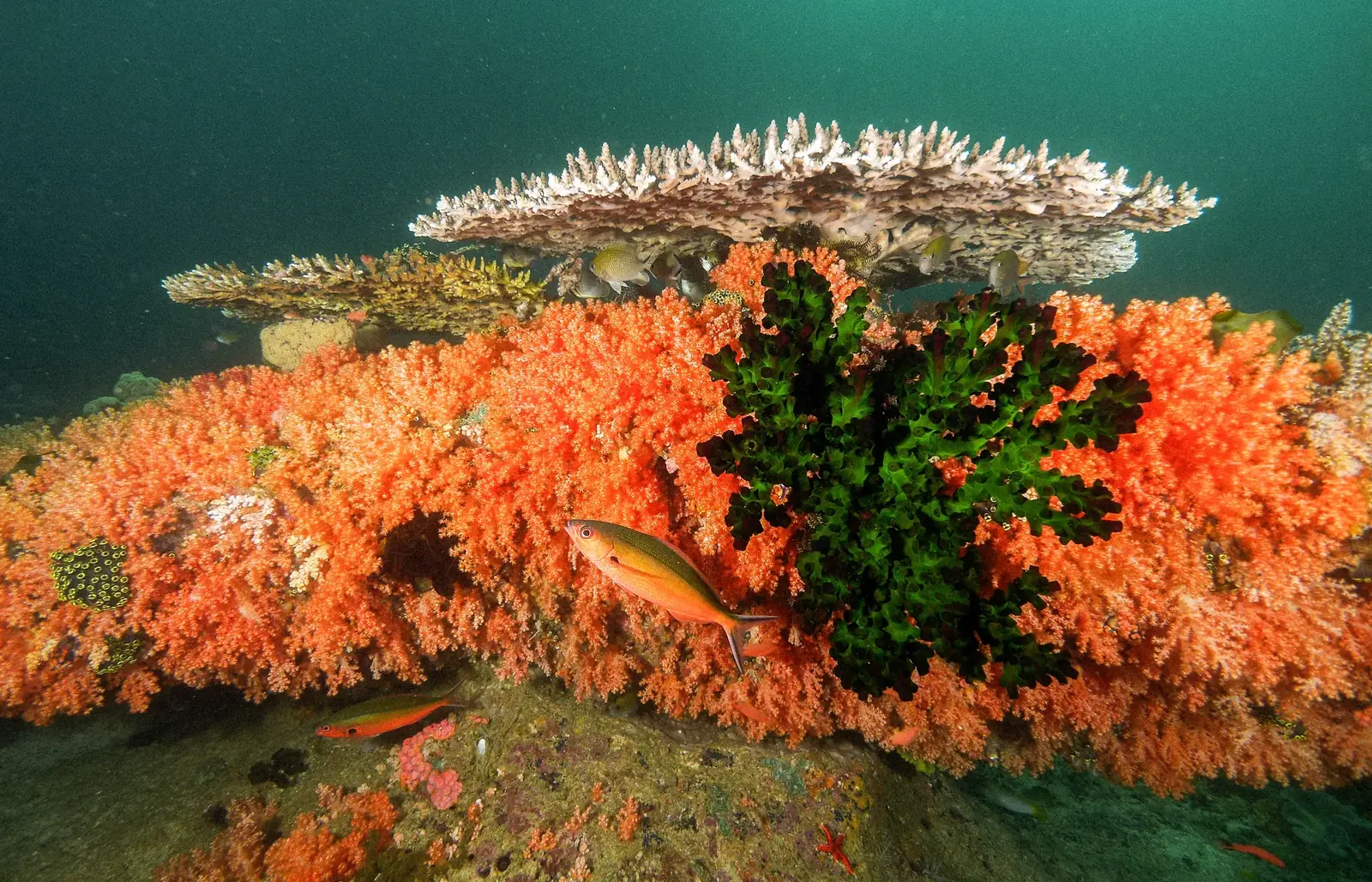
Triton Bay
The reefs do not do subtle
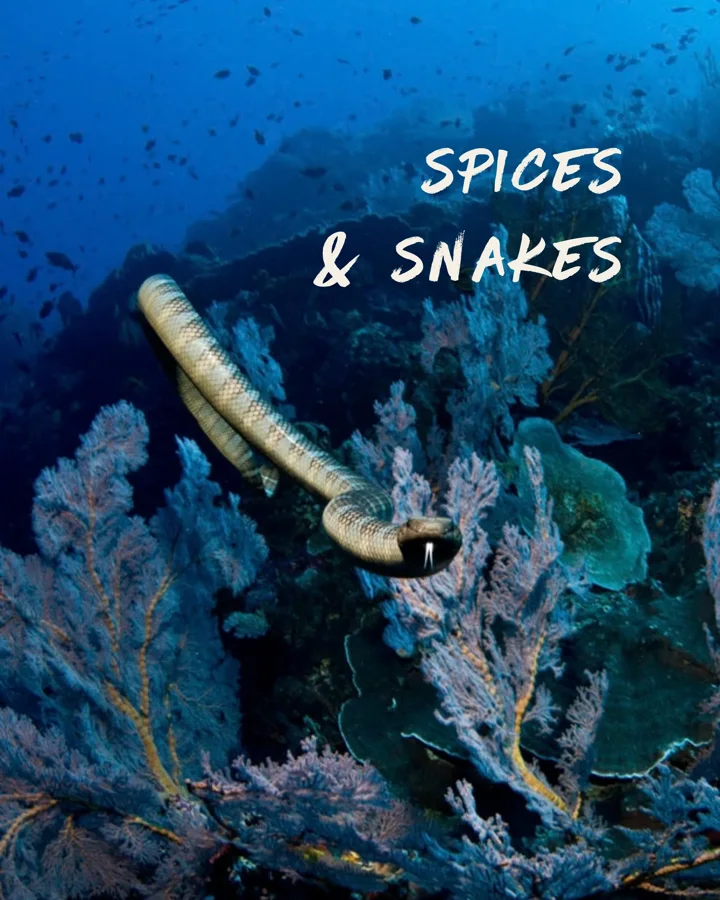
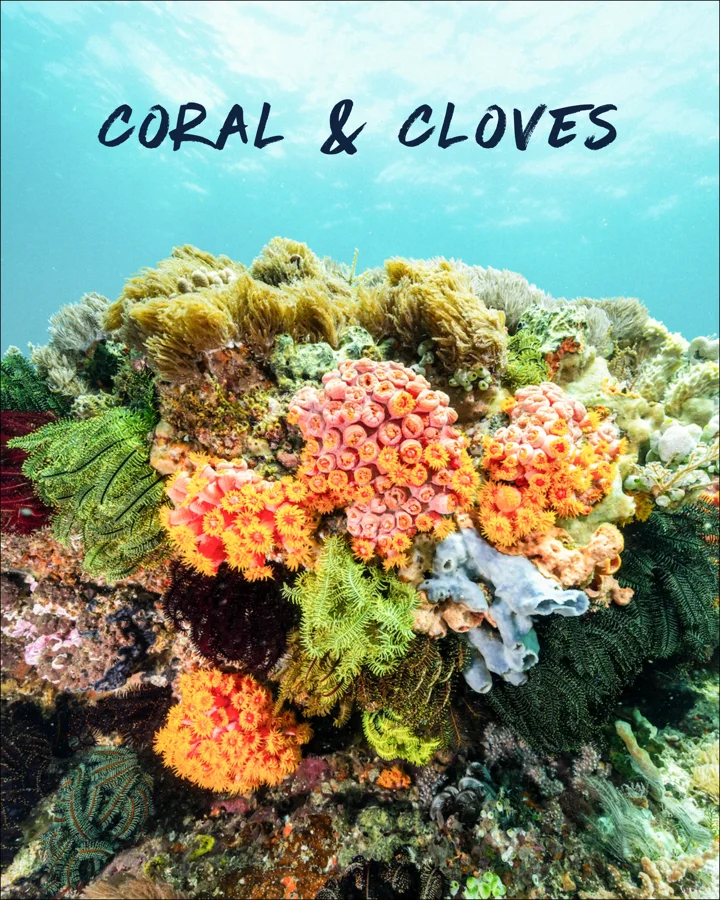
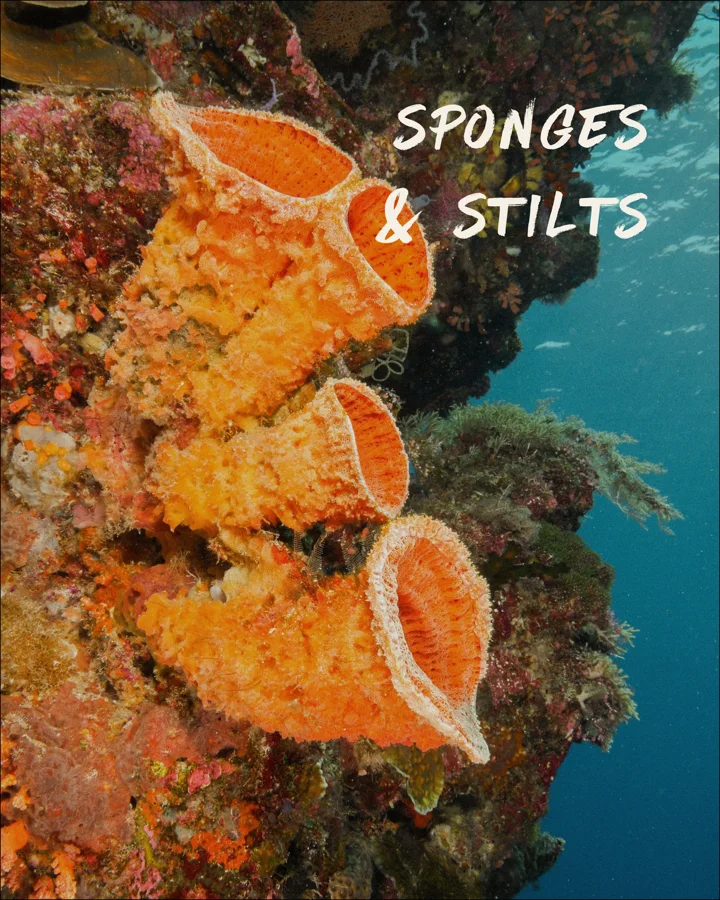
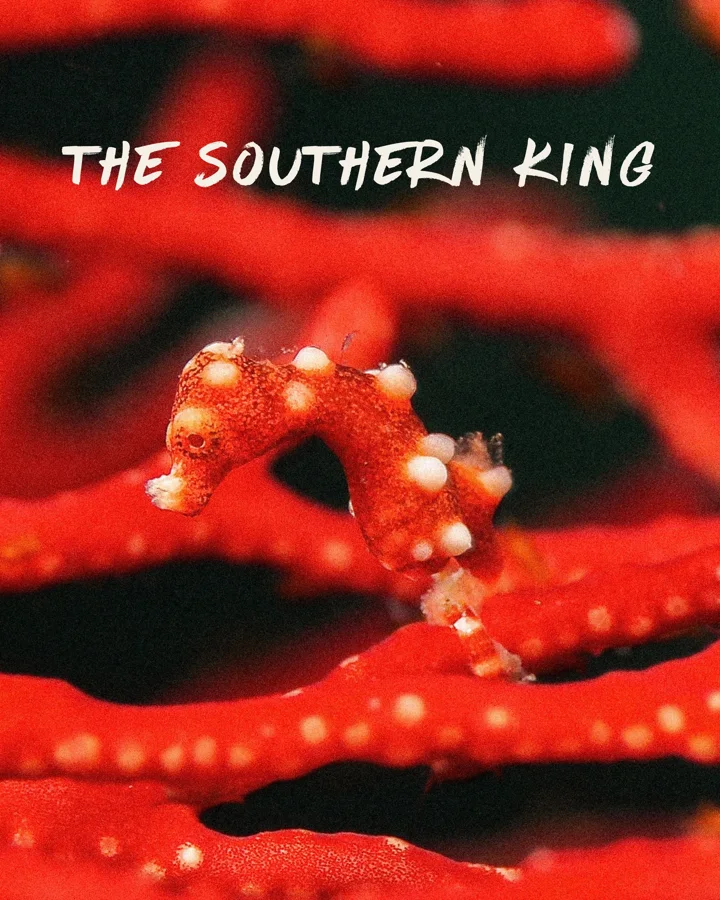
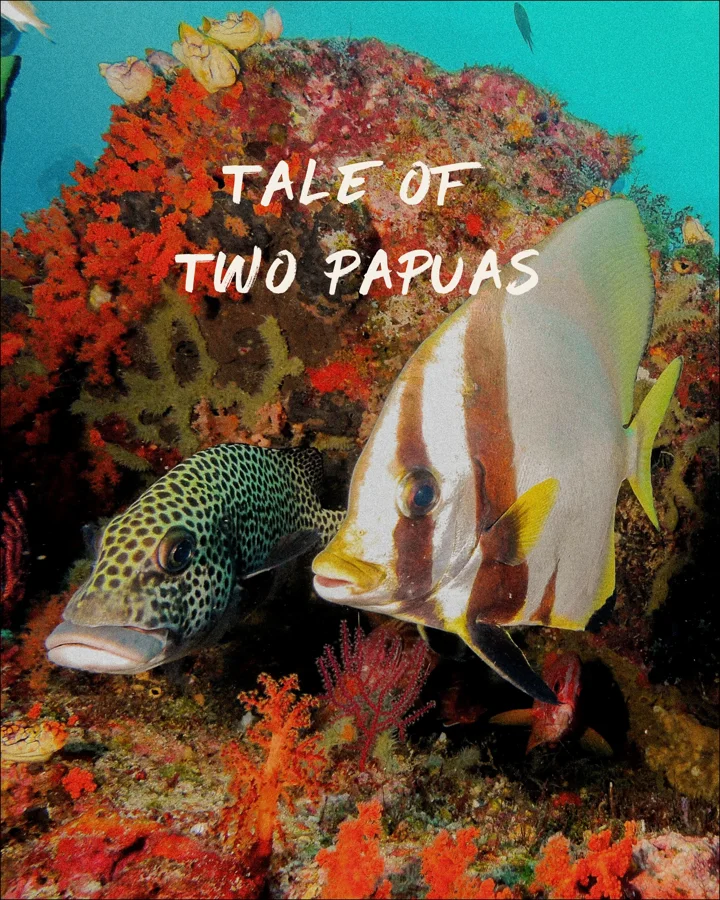
Triton Bay is dense, dark and saturated. Soft coral grows so thick that the rock disappears underneath, with huge sea fans, walls of fusiliers and snapper, wobbegongs lying flat on the reef and walking sharks after dark.
Mobulas move through the plankton-rich water in loose groups, while reef mantas work the same productive conditions.
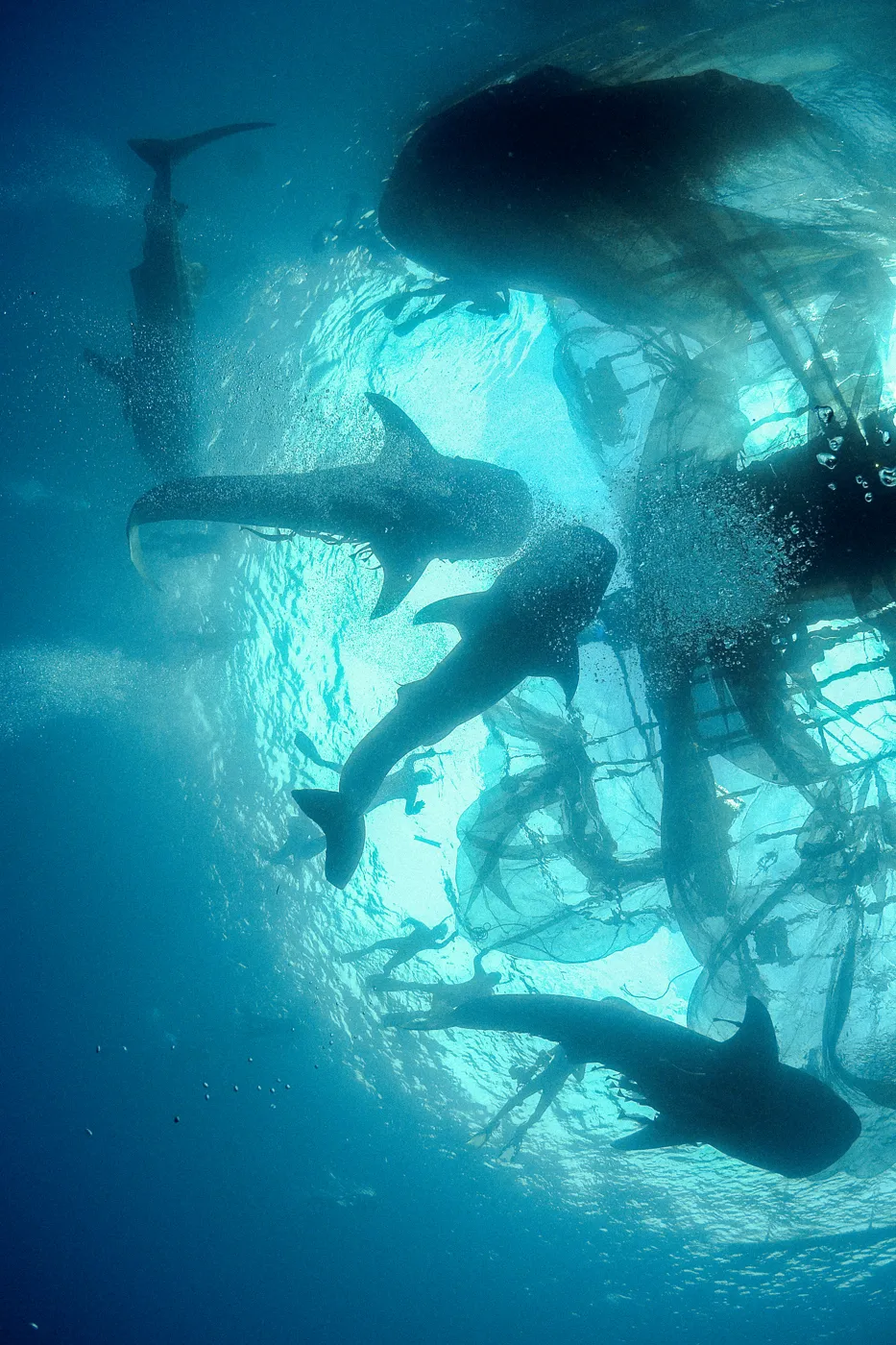
Bagans
Whale sharks
under the nets
When the moon phase allows, the route can also reach the bagans outside Kaimana, where whale sharks feed beneath the fishing nets. Guests are told in advance whether the timing falls within their trip.
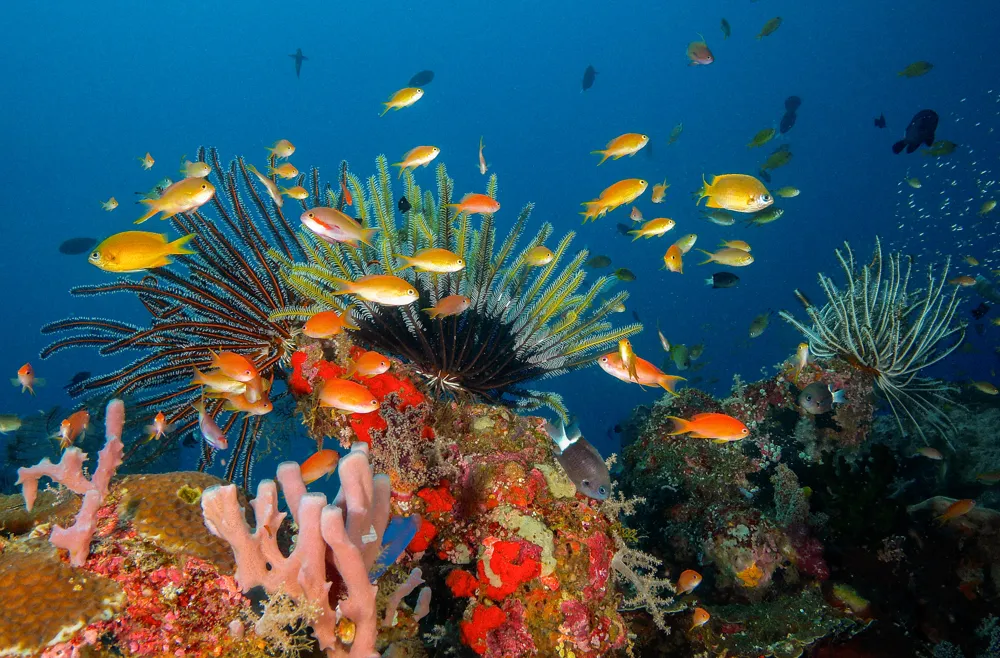
Along the
Papuan Coast
Beyond the known route
What happens between Triton Bay and Misool depends on conditions along the way.
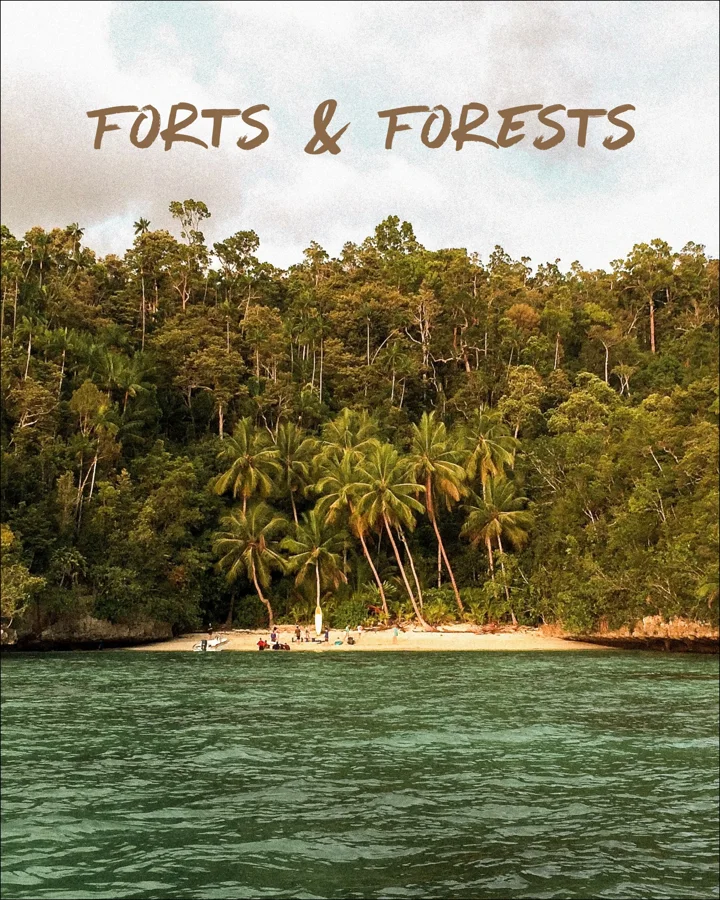
It may include Kitikiti, where fresh water falls directly from the rock into the sea; Tanjung Papisoi, where Gerry Allen once counted 330 fish species on a single dive; or the jungle and karst coastline of Fakfak, where very little diving has been done.
Depending on conditions, the route may also reach Koon, whose best-known site is called Too Many Fish, or spend a day exploring somewhere new.
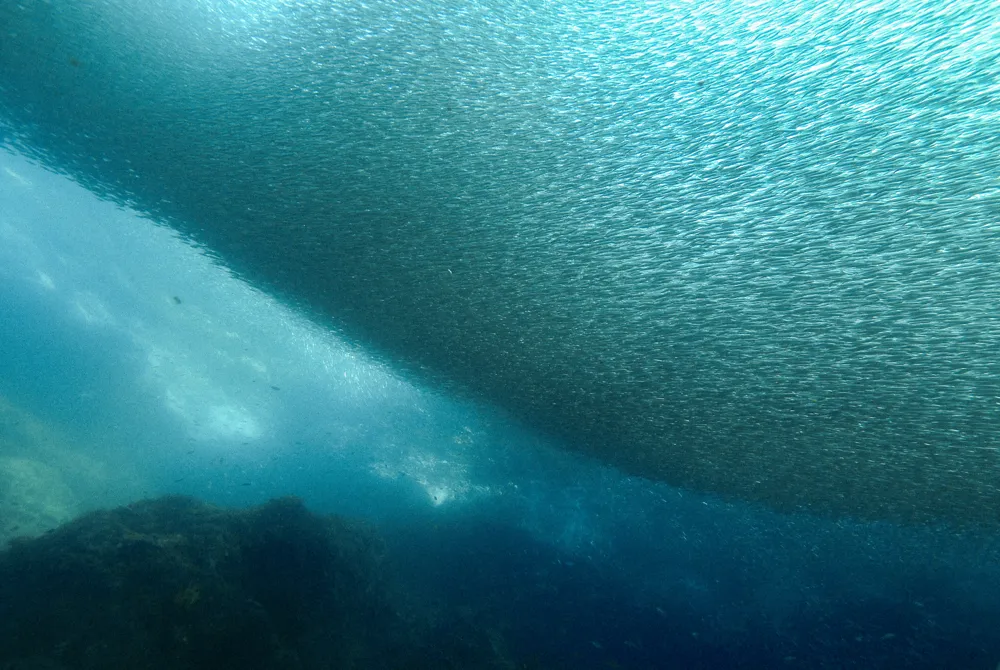
Silversides
When the reef turns silver
Sometimes silversides arrive in enormous numbers, filling caverns, overhangs and entire sections of wall until the reef behind them disappears.
Tuna and trevally break through the schools, opening and closing the whole mass around them. There is no reliable calendar: sometimes it happens at one site, sometimes along much of the route.
Misool
Where life came back
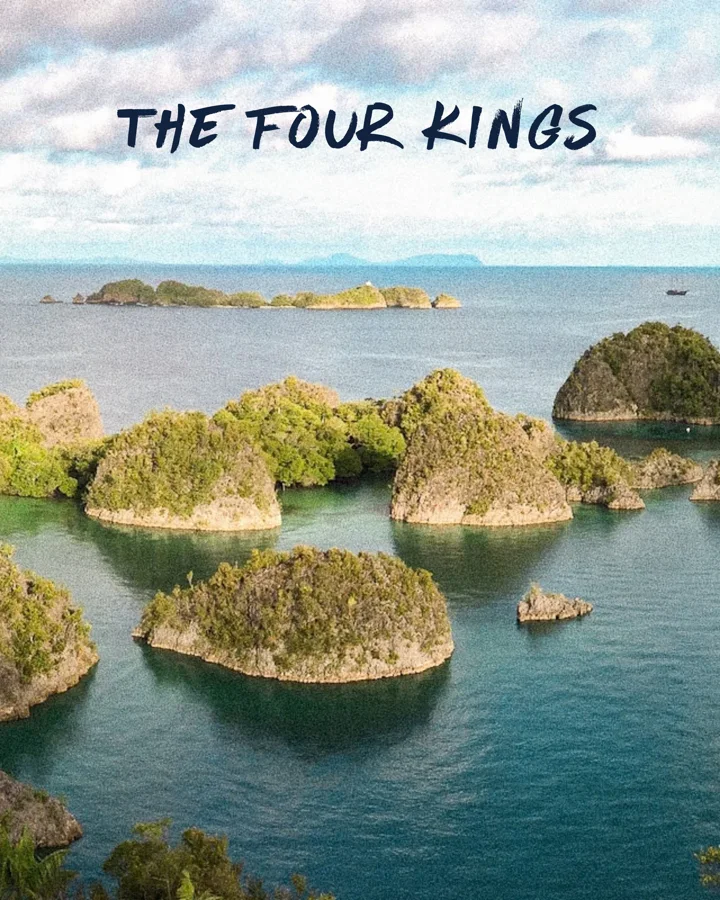
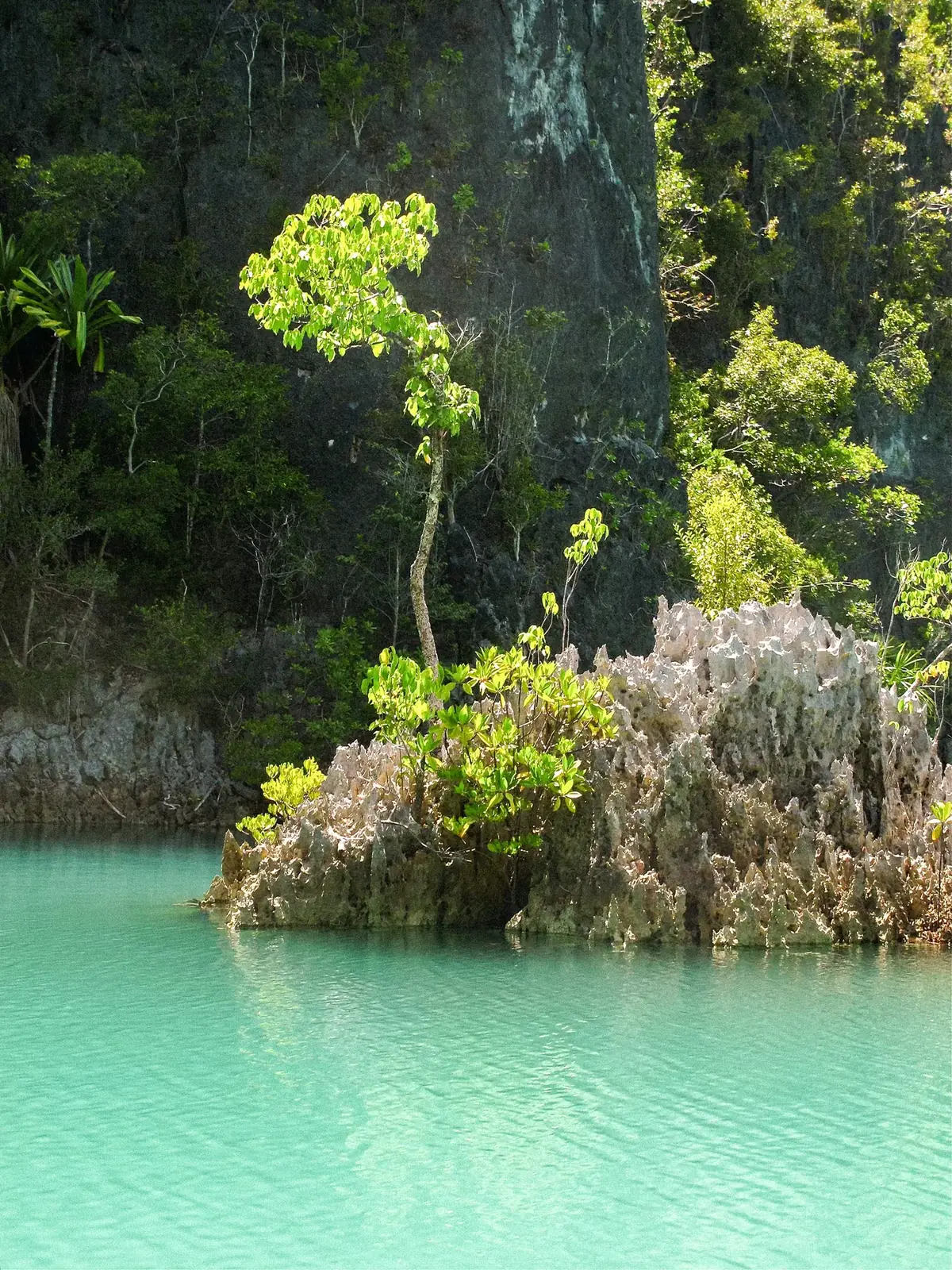
Misool feels completely different: limestone islands rising from turquoise lagoons, Boo Windows, the ridges at Fiabacet and sea fans large enough to hide a diver behind.
At the cleaning stations, reef mantas queue in the current while oceanic mantas can arrive from deeper water.
Inside the no-take zones, the effect of protection is visible underwater. Fish biomass has increased, sharks have returned in numbers, and the difference can sometimes be noticeable within a single dive.
Above water, dinghies slip through narrow channels into hidden lagoons and marine lakes.
Short climbs lead to viewpoints over the karst archipelago, while ancient ochre handprints, fish and figures remain on the cliff faces.