West Meets East — Bali → Maumere · 11 days
Bali → Maumere · 11 days
This is the first time WAOW 2 carries guests. Everything on board will be new, the sea trials behind us, and ahead of us eleven days on the route that made this part of Indonesia famous among divers. WAOW 2 will have a long history. This is where it begins, and there is room for twenty people.

West Meets East
11 days
Bali → Maumere
When
October 2028
The route
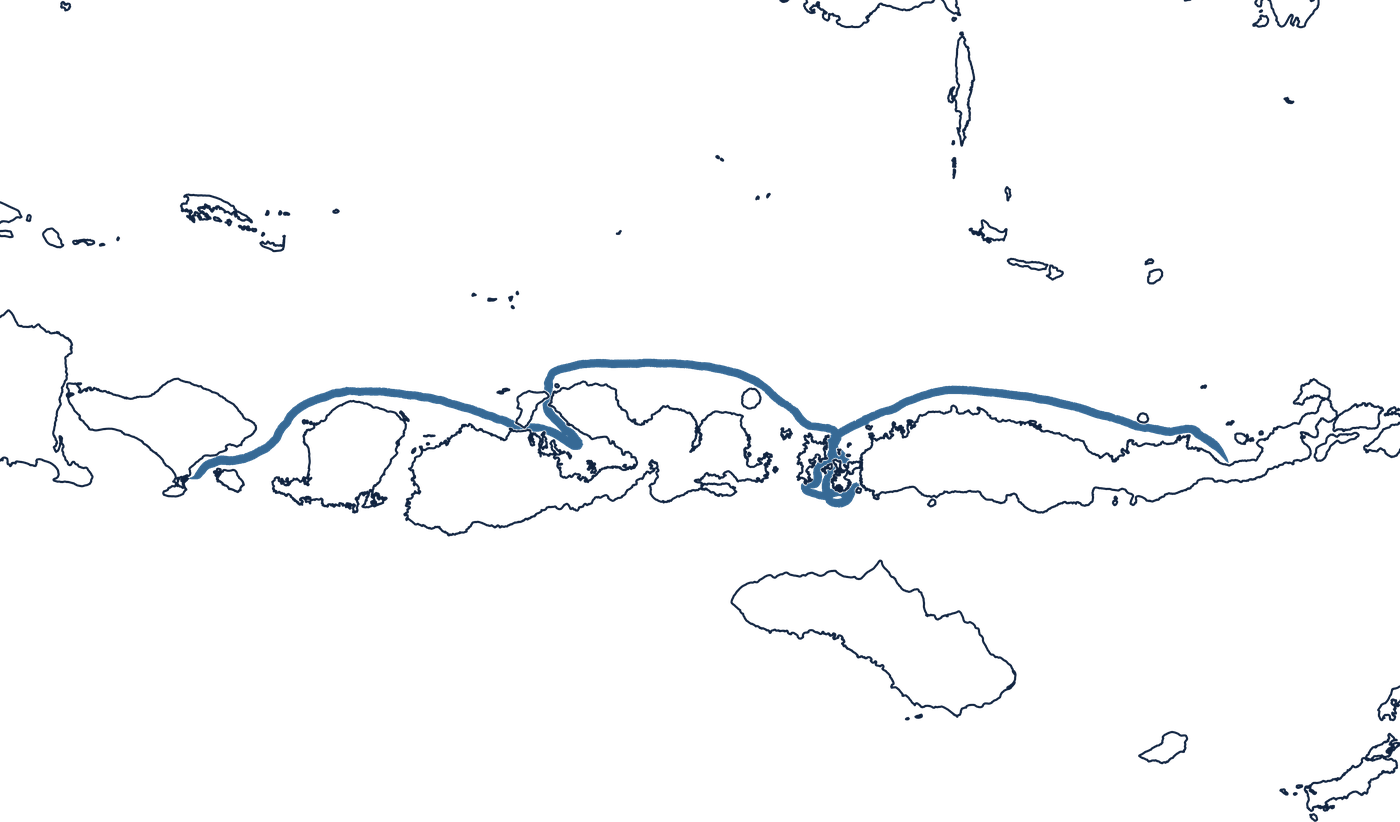
Lombok Strait · Moyo · Saleh Bay · Sangeang Api · Komodo · North Flores
The diving
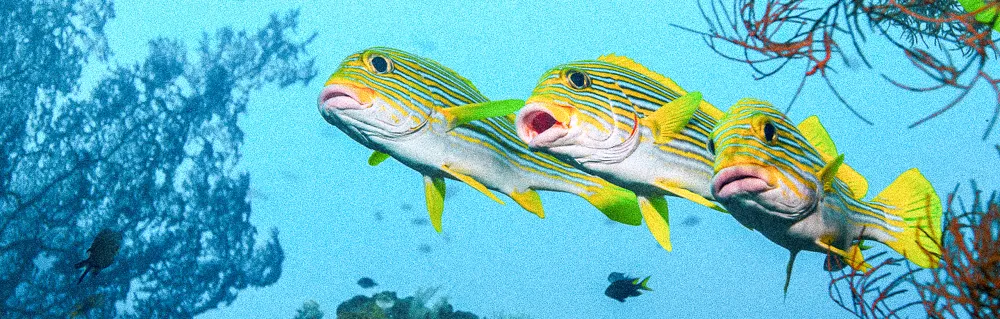
Whale sharks · Mantas · Sharks · Volcanic macro · Hard coral · Deep walls · Night diving
Crossing
the line
The journey east
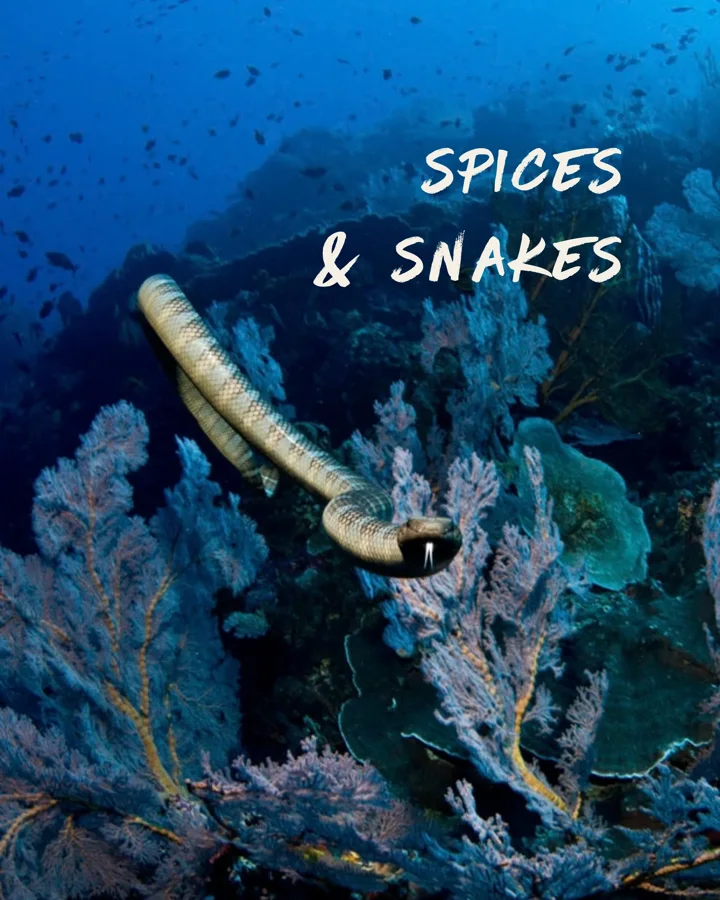
The trip runs eastward, which is the direction that makes the geography legible. You leave Bali in the morning and spend the first day crossing the Lombok Strait. Somewhere in that deep water you leave Asia behind, and cross a border that appears on no political map : The Wallace line.
Moyo
A gentle start
The first diving is the next morning at Moyo, off the north coast of Sumbawa. A gentle way to start: clear water, hard coral gardens, an easy check dive to sort your weighting and get used to a boat nobody has been on before.
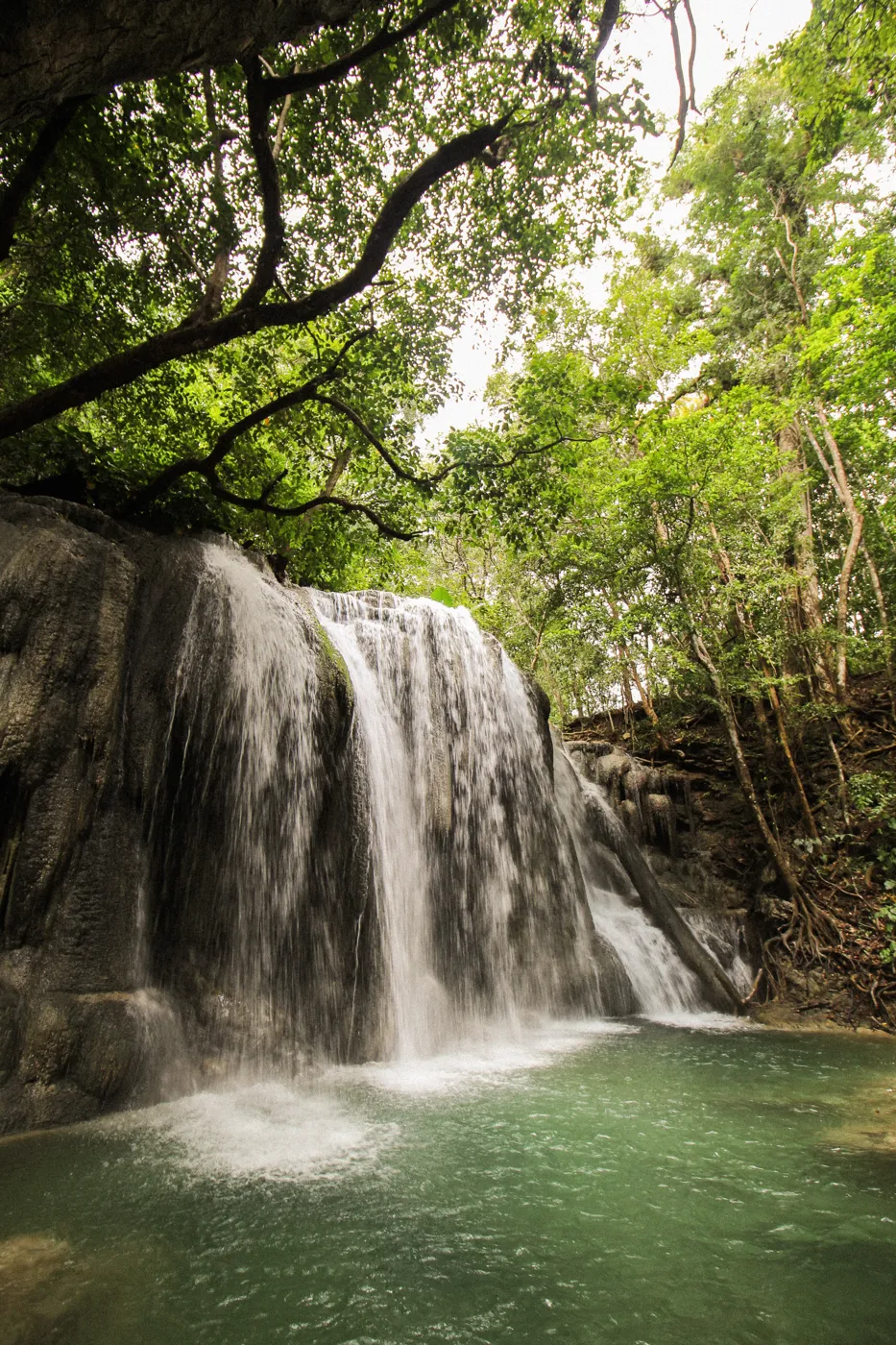
A waterfall and a swimming hole are waiting inland, if you want an hour somewhere other than on board or underwater.
Saleh Bay
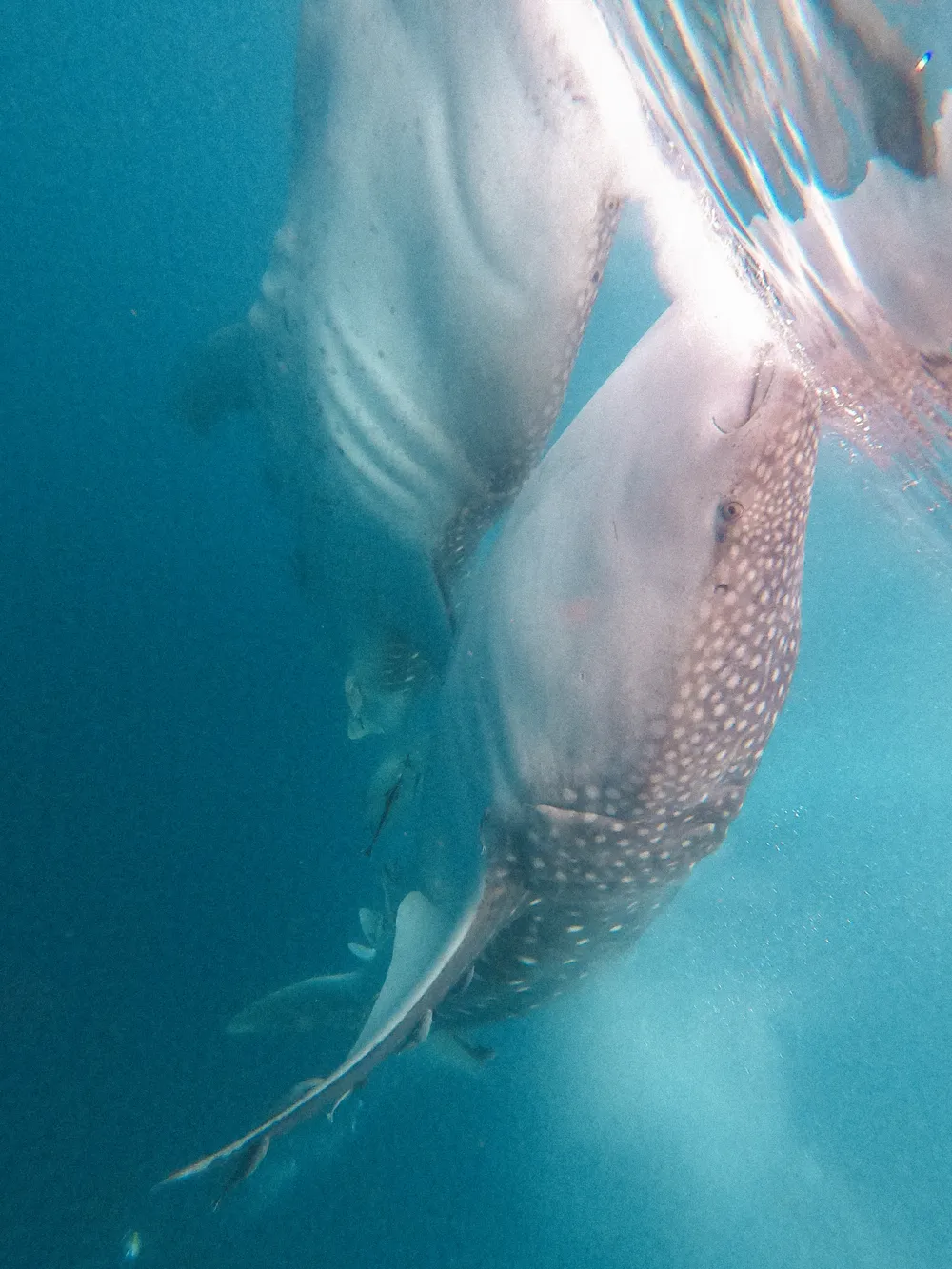
Whale sharks at first light
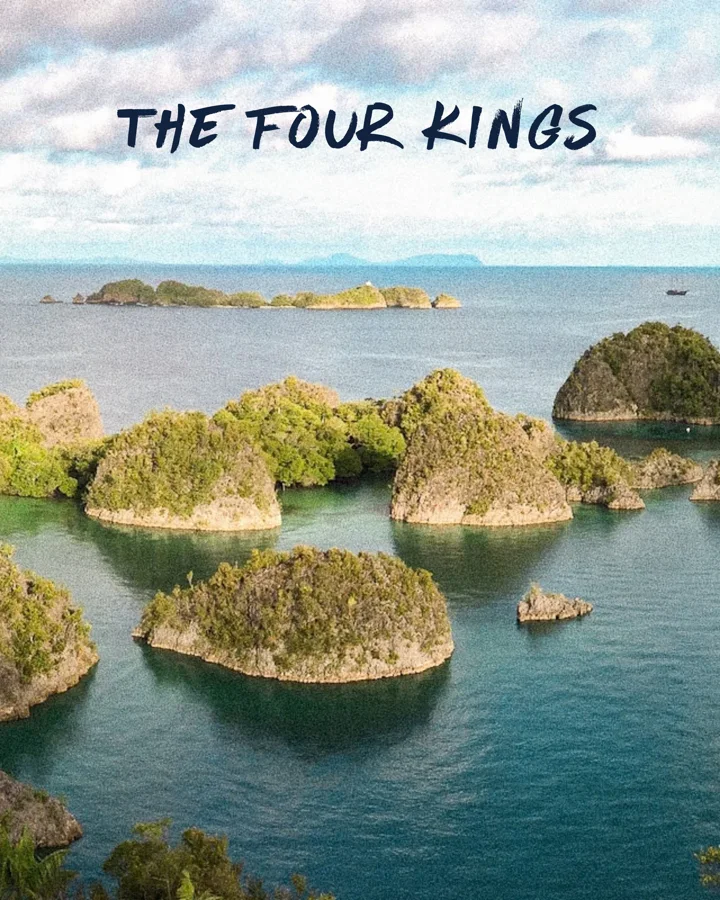
Overnight the boat moves east into Saleh Bay, the enormous sheltered bight that cuts deep into the island.
This is where the whale sharks come to the bagans, the fishing platforms that draw anchovies with lights through the night.
You get up in the dark. At first light the sharks are there, hanging vertically just under the surface, feeding, close enough that the only problem is fitting one into the frame.
Sangeang Api
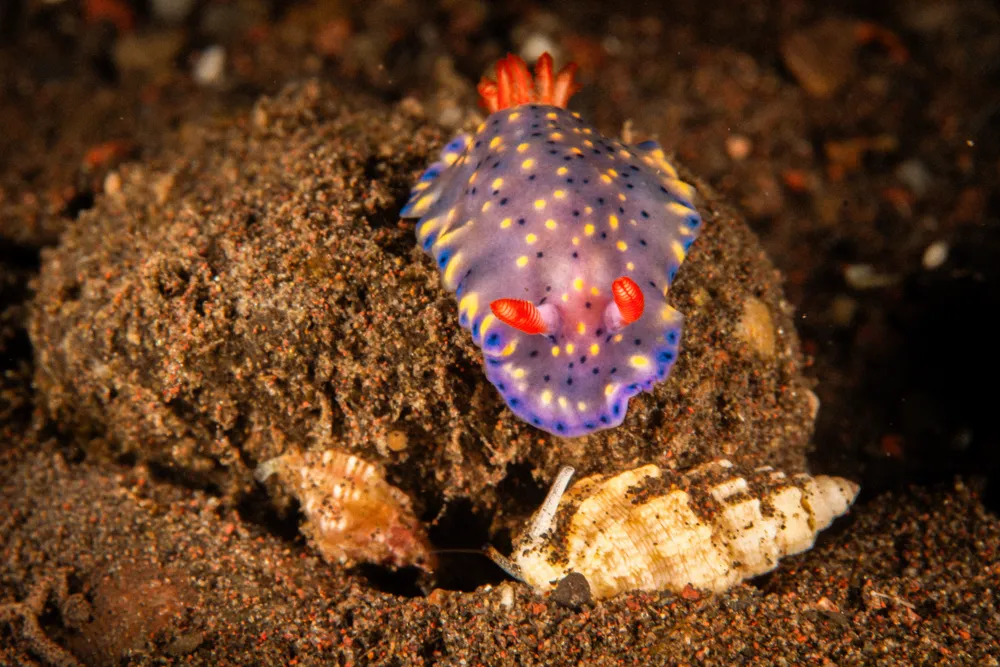
Life on volcanic sand
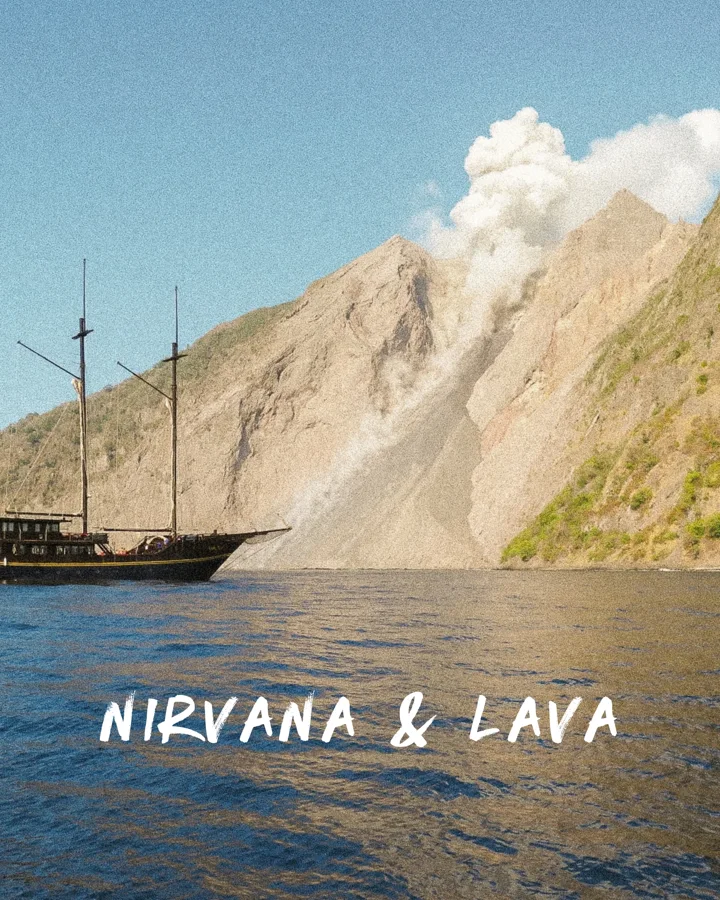
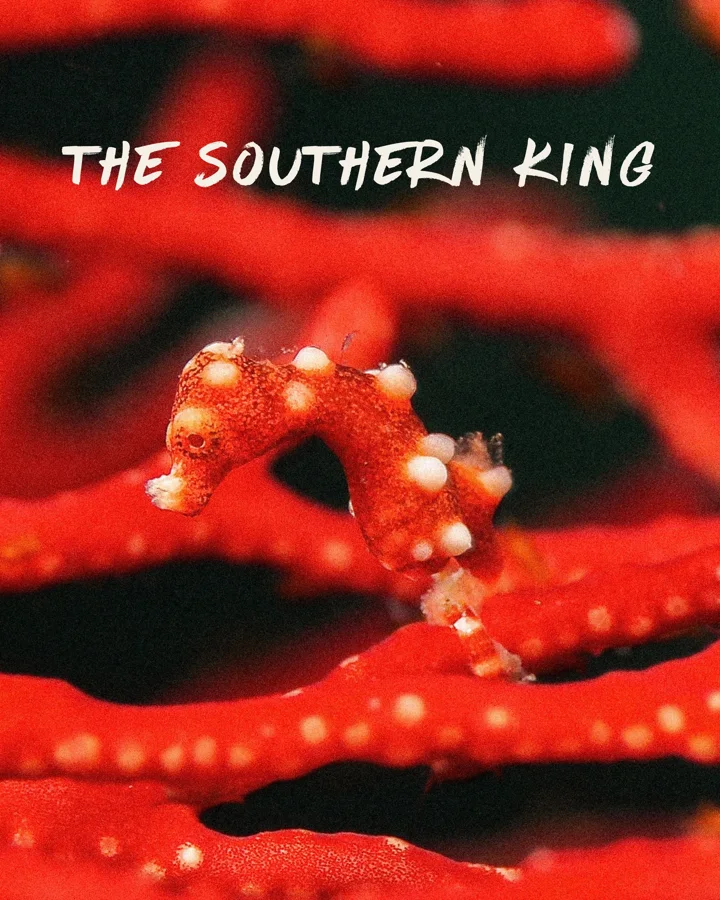
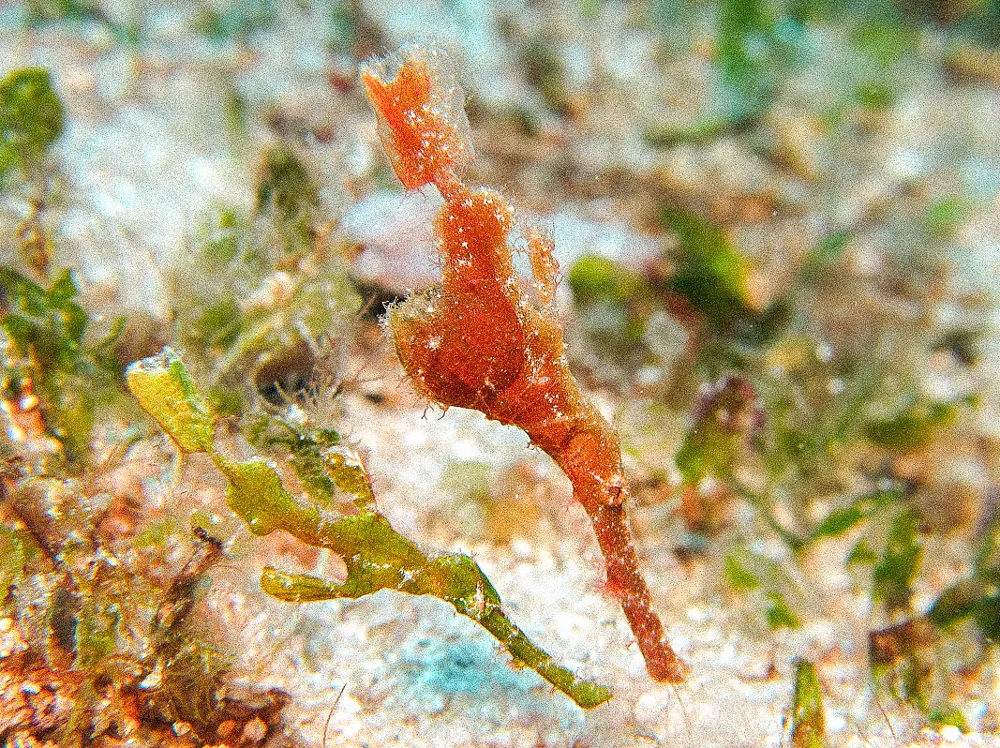
Further east, Sangeang Api brings its black volcanic sand, where bubbles rise through the slope between the frogfish and the whole strange cast of animals that live on ash rather than coral.
Komodo
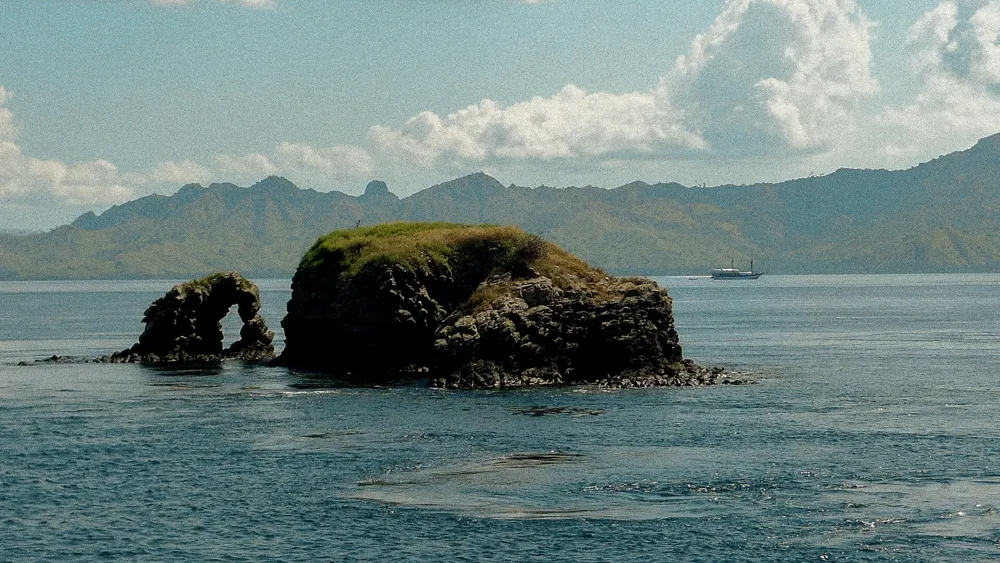
Where two seas collide
Then comes Komodo National Park.
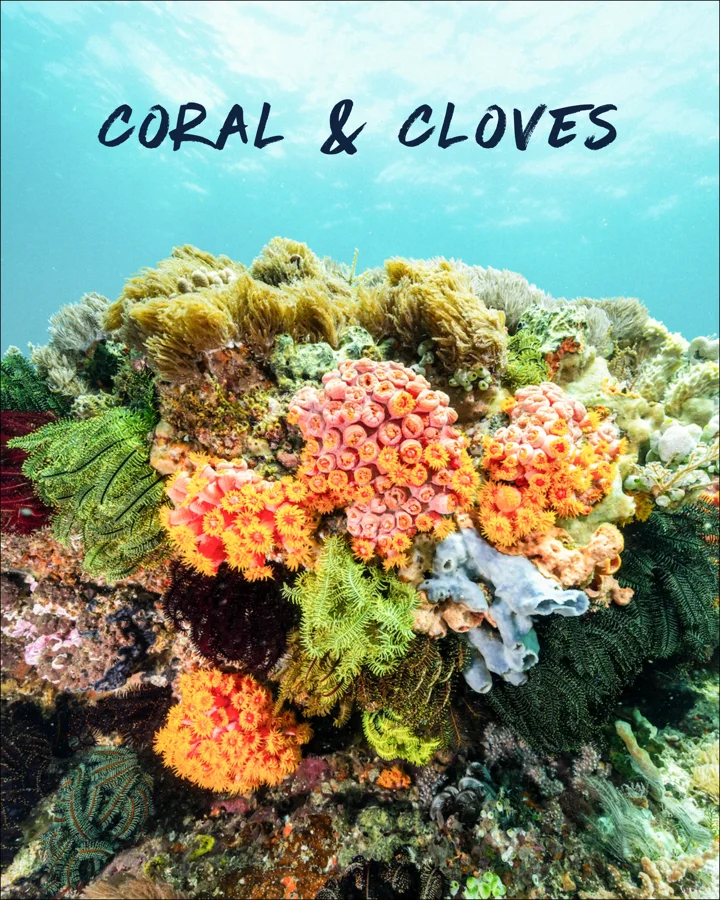
Cold water rising from the Indian Ocean meets the warmer Flores Sea, creating the conditions that make the park so alive. Mantas gather at the cleaning stations of Karang Makassar and in the currents of Manta Alley. Trevally and sharks hold in the tide at Crystal Rock and Castle Rock. Batu Bolong rises as a single pinnacle covered in reef life.
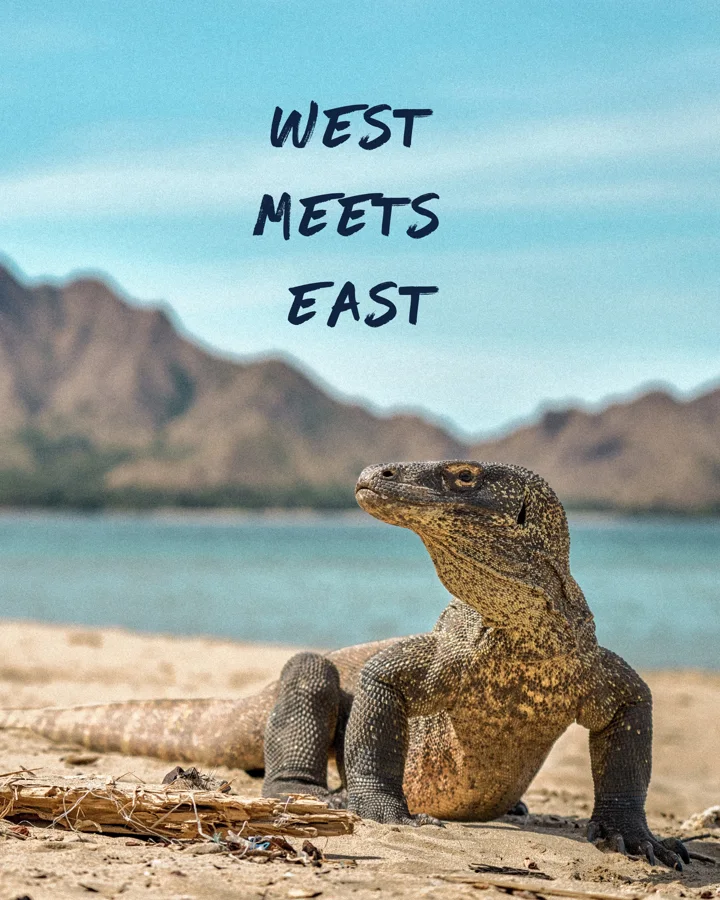
October marks the end of the dry season. Above water, the hills turn burnt gold. Below, the south of the park can remain cold, green and nutrient-rich, conditions behind the macro life of Cannibal Rock and Horseshoe Bay. Whether we head south is decided once we're there. We read the water, not the brochure. And ashore, the dragons are waiting.
North Flores
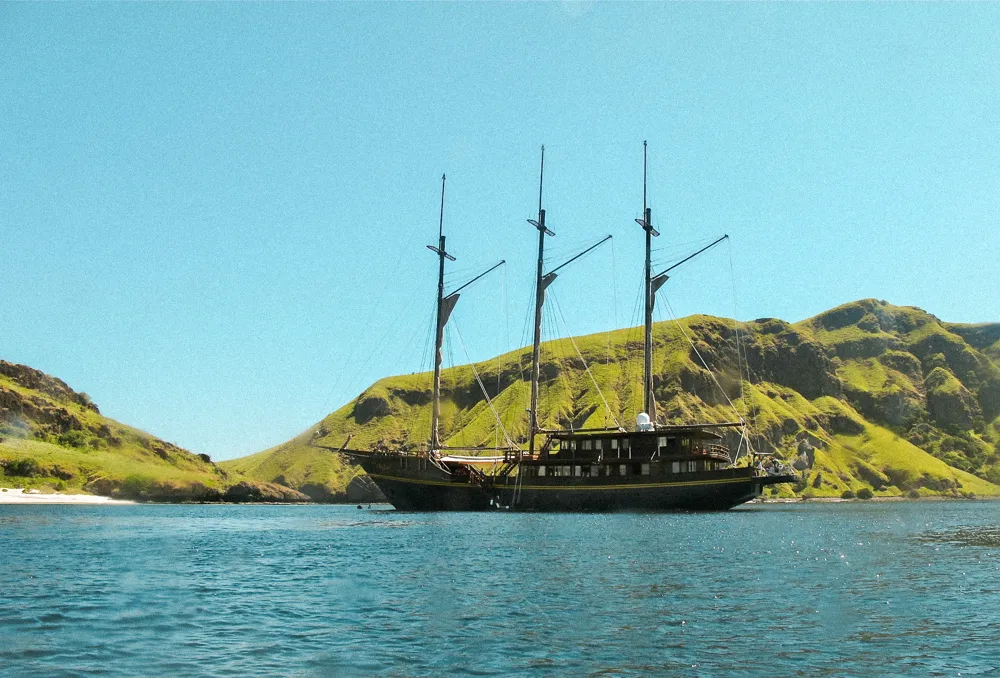
End somewhere quiet
The journey finishes where many itineraries never go. Along the north coast of Flores, a mountainous volcanic coastline sees very few boats. Below it, deep reefs drop straight into blue water. Big gorgonians. Hard coral. Sites WAOW has dived for years and knows how to approach on the right tide, at the right hour. Eleven days after leaving Bali, you step off in Flores. A long way east of where you started, in every sense that matters.

No two days ask the
same thing of you
Big animal diving and macro diving are usually two different holidays.
Here, they are a single cruise.
The night diving deserves its own mention. So does the range of levels: Komodo has sites that will test a diver with a thousand logged dives, and sheltered bays half an hour away where somebody fresh out of their course can have the best dive of their life.
We split the groups accordingly and say plainly what to expect on each dive.
And photographers get to plan properly for once:
Wide angle before lunch. Macro after.
The line between two worlds
On the first night, somewhere in the deep water of the
Lombok Strait, WAOW 2 sails out of Asia.
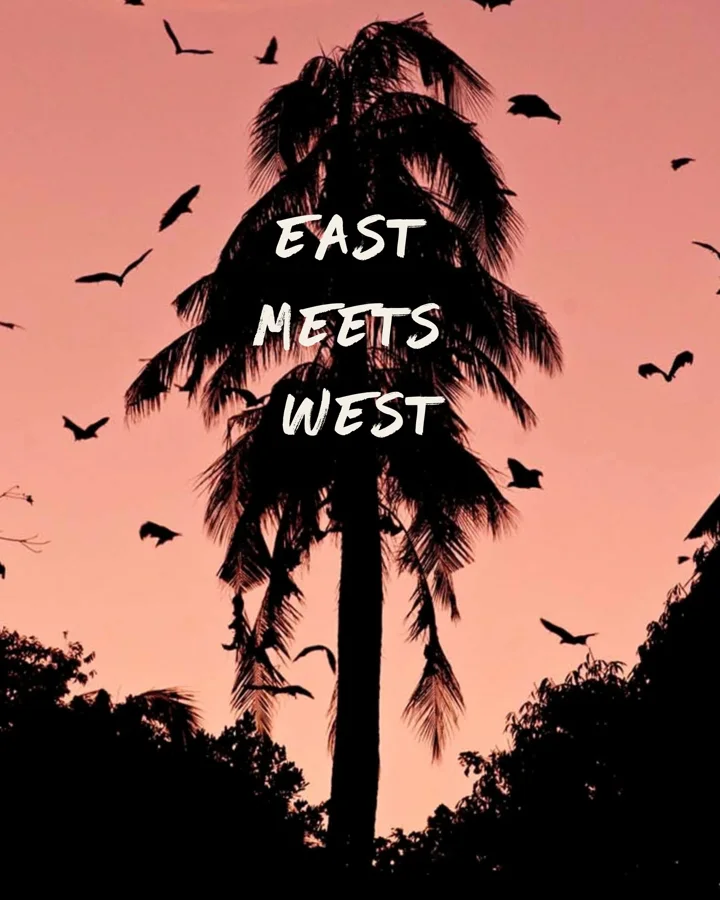
Alfred Russel Wallace spotted that line in the 1850s by paying attention to birds. It carries his name, and it still holds.
Bali belongs to Asia, with its monkeys and woodpeckers.
Cockatoos and marsupials begin on the other side.
Everything you will dive for the next ten days lies in Wallacea, the transition zone between two continents that were never joined. The animals there belong fully to neither. And more and more, they exist nowhere else on Earth. The crossing takes a night. What it crosses took forty million years to form.